
The Truth About Veteran Mental Health: Moving Beyond Crisis to Thriving
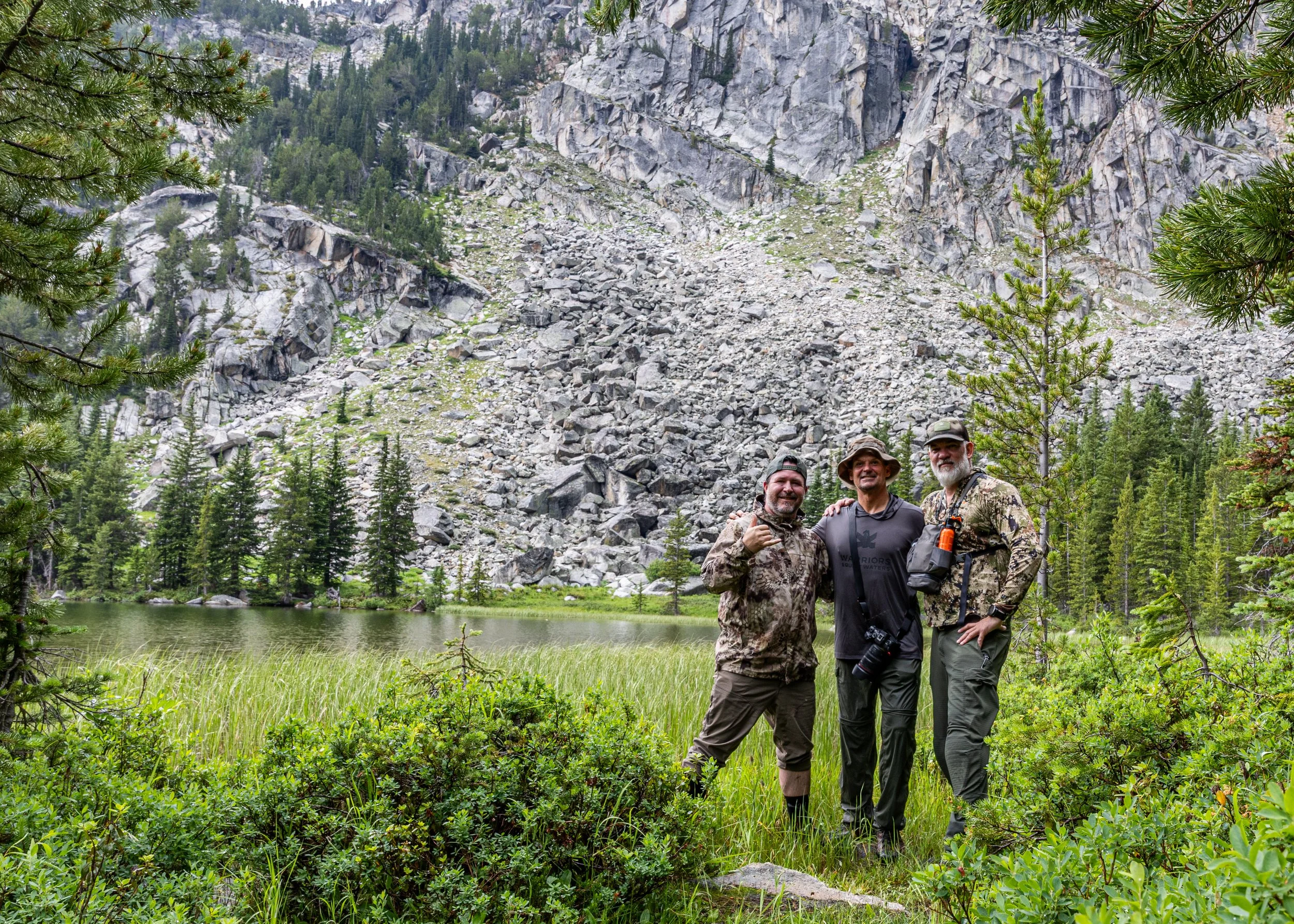
Equipped to Thrive.
Every September, our nation pauses to acknowledge Suicide Prevention Month. For those who care about veterans, this month brings a familiar wave of statistics, awareness campaigns, and urgent calls to action. The numbers are shared again: approximately 17 veterans die by suicide each day. The crisis hotline numbers are posted. The message goes out: if you're struggling, reach out.
This awareness matters. Crisis resources save lives. Every veteran who reaches out instead of giving up represents a victory worth celebrating. The work of crisis intervention—hotlines, emergency services, immediate support—deserves ongoing attention and funding.
But as we mark another Suicide Prevention Month, it's worth asking a harder question: Is preventing the worst outcome really the best we can do for veterans? Is "not dying" the goal we should be setting—or is there something more? Have we set the bar so low that mere survival counts as success?
The truth about veteran mental health is more complicated than crisis statistics suggest. Yes, too many veterans struggle. Yes, the suicide rate remains unacceptably high. But the conversation that focuses only on crisis misses something essential: most veterans aren't in acute crisis. They're somewhere in between—not suicidal, but not thriving either. Surviving, but not living fully. Getting by, but not growing. Functioning, but not flourishing.
For these veterans—and they are the majority—crisis prevention isn't enough. They need something more: a path not just away from the worst outcomes, but toward the best ones. They need support that doesn't just keep them alive but helps them build lives worth living. They need to move from surviving to thriving.
This is the truth about veteran mental health that often goes unspoken: preventing tragedy is necessary, but it's not sufficient. Real support means helping veterans build lives worth living—not just avoiding death, but discovering purpose, resilience, and genuine flourishing. And donors who want to make a real difference should understand this distinction.
The Limits of Crisis-Focused Thinking
Our national conversation about veteran mental health is dominated by crisis. Media coverage focuses on the most severe cases—the veteran who took their own life, the veteran who committed violence, the veteran who ended up homeless. Funding flows toward emergency intervention—crisis hotlines, inpatient treatment, emergency housing. Public awareness centers on the darkest statistics—suicide rates, homelessness numbers, incarceration figures.
This crisis focus is understandable. Crisis is urgent, dramatic, and demands immediate response. It's easier to rally support around preventing death than around promoting flourishing. "Save a veteran's life" is a clearer call to action than "help a veteran thrive." Crisis creates compelling stories and powerful images that drive donations and policy attention.
And crisis intervention matters enormously. When a veteran is on the edge, they need immediate support. Crisis hotlines save lives. Emergency services prevent tragedies. Acute intervention is essential and deserves ongoing investment.
But crisis-focused thinking has significant limitations—both for veterans and for those who want to help them. When crisis becomes the dominant frame, we lose sight of everything that isn't crisis. We organize our systems around the most severe cases and neglect the many more veterans who are struggling without reaching that threshold. We measure success by tragedies prevented rather than lives well-lived. We settle for survival when thriving should be the goal.
The Vast Middle Ground
Most veterans aren't in crisis. They're not calling hotlines or contemplating self-harm. But that doesn't mean they're doing well. Between the extremes of acute crisis and genuine thriving lies a vast middle ground where most veterans actually live.
In this middle ground, veterans may experience persistent low mood without meeting criteria for major depression. They may feel disconnected from civilian life without being actively suicidal. They may struggle with purpose and meaning without reaching a breaking point. They may cope through numbing—alcohol, isolation, overwork, endless screen time—rather than through crisis.
From the outside, these veterans may look fine. They hold jobs. They maintain relationships, even if those relationships feel hollow. They show up for family events, even if they feel like outsiders. They function—but functioning isn't the same as flourishing. They've mastered the appearance of normalcy while feeling anything but normal inside.
This middle ground is often invisible to crisis-focused systems. Veterans in this space don't qualify for intensive intervention because they're not "sick enough." They don't reach out to crisis resources because they're not in immediate danger. They may not even identify as struggling—after all, they're not in crisis, so what's there to complain about? They exist in a gray zone that our current frameworks struggle to address.
And yet, this middle ground is where intervention could be most effective. Veterans here haven't hit bottom—they're still reachable, still functional, still capable of growth. Support at this stage doesn't require pulling someone back from the edge; it requires helping them move toward something better. It's proactive rather than reactive, developmental rather than emergency.
The tragedy of focusing only on crisis is that we wait until veterans are at their worst before offering help. We let the middle ground drift toward the edge, then scramble to intervene. A different approach would meet veterans in that middle space and help them move toward thriving—before crisis ever becomes a possibility.
Beyond the Absence of Illness
Mental health isn't just the absence of mental illness. This seems obvious when stated plainly, but our systems often operate as if reducing symptoms is the ultimate goal. Treat the depression. Manage the anxiety. Address the post-traumatic stress (PTS). If the symptoms remit, mission accomplished.
But a veteran who no longer meets diagnostic criteria for a mental health condition isn't necessarily thriving. They may be functional but unfulfilled. Stable but stagnant. No longer in crisis but not really living either. The symptoms may be managed while the deeper needs—for purpose, connection, growth, meaning—remain unmet.
Consider a veteran who completes treatment for depression. The crushing weight has lifted. They can get out of bed in the morning. They're no longer having dark thoughts. By clinical standards, treatment was successful—they've returned to baseline. But what if baseline wasn't very good to begin with? What if they're back to the same empty routine, the same sense of disconnection, the same nagging feeling that life should mean more than this?
True mental health is positive, not just the absence of negative. It includes a sense of purpose and direction—knowing why you're here and where you're going. It includes meaningful relationships and community connection—feeling that you belong somewhere, that people understand and value you. It includes the experience of growth and mastery—knowing that you're developing, that you're capable of becoming more than you currently are. It includes resilience—not just surviving adversity, but being strengthened by it, finding meaning even in difficulty.
Crisis intervention doesn't create these positive states. It addresses immediate danger and stabilizes acute symptoms. That's essential—but it's only the beginning of what veterans need. A system that stops at crisis prevention is a system that settles for survival when thriving should be the goal.
The question we should be asking isn't just "how do we keep veterans from hitting bottom?" but "how do we help veterans reach the top?" Not just "how do we prevent the worst outcomes?" but "how do we create the best ones?" These are fundamentally different questions that require fundamentally different approaches.
The Identity Gap
Many veteran mental health challenges aren't primarily clinical—they're existential. The transition from military to civilian life involves fundamental questions of identity: Who am I now that I'm no longer a soldier, Marine, airman, or sailor? What do I do with capabilities built for a context that no longer exists? Where do I find the purpose and belonging that service provided?
In the military, identity was clear. You knew exactly who you were, what was expected of you, and how you fit into something larger than yourself. Your role was defined, your community was given, your purpose was explicit. The uniform itself was a constant reminder: you are part of something. You belong.
Civilian life offers none of this clarity. Identity must be constructed rather than assigned. Community must be found rather than provided. Purpose must be discovered rather than given. For some veterans, this freedom is exhilarating. For many, it's disorienting—even terrifying.
The veteran who was a respected leader of a squad now sits in a cubicle, anonymous among coworkers who have no idea what they're capable of. The veteran whose decisions once carried life-or-death weight now makes decisions about spreadsheets and scheduling. The veteran who was part of a brotherhood forged in shared hardship now attends neighborhood barbecues where small talk feels unbearably trivial.
These questions can't be answered by therapy alone, though therapy may help veterans process them. They can't be answered by medication, though medication may provide stability while veterans search for answers. They're questions that require new experiences, new capabilities, and new communities—not just treatment. They require veterans to build new identities, not just process the loss of old ones.
Crisis-focused systems aren't designed to address identity questions. They're designed to address symptoms. But for many veterans, the symptoms are downstream of the identity gap. The depression emerges from purposelessness. The anxiety arises from a world that no longer makes sense. The substance use numbs the pain of feeling lost. Until that gap is bridged—until veterans discover who they are and why they matter in their new context—symptom management remains incomplete.
This is why so many veterans cycle through treatment programs without lasting improvement. They address the symptoms but not the source. They manage the crisis but don't create thriving. The real need isn't clinical intervention—it's developmental support. Not treatment, but transformation.
Warriors & Quiet Waters believes veterans deserve more than crisis intervention. Our Built for More program is designed to help veterans thrive—not just survive. Learn about our approach.
The True Cost of Just Surviving
When we settle for survival as the goal—when we count success as simply preventing the worst outcomes—we accept costs that extend far beyond the individual veteran.
Consider the veteran in that vast middle ground. Not in crisis, but not thriving. Functional enough to avoid intervention, but struggling in ways that ripple outward. They may hold a job but underperform relative to their actual capability. They may maintain a marriage but bring emotional distance that erodes connection over time. They may parent their children but struggle to be fully present, to model the thriving that children need to see.
The costs are real but diffuse. Lost productivity at work. Strained relationships at home. Children who grow up watching their parent survive rather than thrive. Communities that miss out on the leadership and contribution these veterans could provide. None of this shows up in crisis statistics, but all of it represents genuine loss.
Now consider what changes when that same veteran moves from surviving to thriving. Their work performance improves—they bring their full capability to their job, benefiting employers and the economy. Their relationships deepen—spouses and children experience them as present, engaged, alive. They begin contributing to their communities rather than just occupying space in them. They become examples for other veterans of what's possible.
The difference between surviving and thriving isn't just about how the veteran feels. It's about what they can contribute, the relationships they can build, the impact they can have. Veterans who are merely surviving represent unrealized potential. Veterans who are thriving represent that potential fulfilled.
This is why settling for survival isn't just inadequate—it's wasteful. These are people with extraordinary capabilities. They've demonstrated the capacity for discipline, teamwork, leadership, and performance under pressure. They have so much to offer. Helping them merely survive wastes what they could contribute. Helping them thrive releases that potential into the world.
What Thriving Actually Looks Like
If crisis prevention isn't enough, what is? What does it actually mean for a veteran to thrive—and how do we get there?
Thriving isn't a fixed state to achieve; it's a way of engaging with life. It's not about feeling happy all the time or being free from all struggle. It's about living with purpose and direction, growing through challenges rather than being diminished by them, connecting genuinely with others, and experiencing the satisfaction of developing capability.
Research has identified several consistent components that characterize people who are genuinely flourishing, not just functioning. These aren't arbitrary ideals—they're patterns that consistently appear when researchers study human wellbeing across cultures and contexts. Understanding these components helps us know what we're aiming for when we talk about veterans moving from surviving to thriving.
Purpose and Direction
Thriving requires a sense that life has meaning and direction. For veterans, this often means finding new sources of purpose after military service ends. The mission that once organized everything is gone; thriving requires discovering what comes next.
In the military, purpose was provided. The mission was clear, the role was defined, and veterans knew exactly how their effort contributed to something larger than themselves. Civilian life rarely offers this clarity. Purpose must be discovered or created rather than assigned—and that search can be disorienting after years of having direction provided.
This isn't about finding a job—though employment matters. It's about finding a reason to get up in the morning that feels significant. For some veterans, this means service to others in new forms. For some, it means mastering a craft or building a business. For some, it means family, community, or creative expression. The specific content varies, but the need for purpose is universal.
At Warriors & Quiet Waters, we've seen dramatic improvements in veterans' sense of purpose—4x improvement, measured independently by Syracuse University's Institute for Veterans and Military Families. This isn't marginal change; it's transformation. Veterans who arrive uncertain about their direction leave with a renewed sense of why their lives matter.

Resilience and Growth
Thriving includes the capacity to handle adversity without being destroyed by it. Resilience doesn't mean avoiding difficulty or pretending challenges don't exist. It means having the resources—internal and external—to weather hardship and emerge intact, even strengthened.
Veterans know hardship. They've faced challenges that most civilians can barely imagine. But knowing hardship doesn't automatically confer resilience. Some veterans emerge from difficult experiences strengthened; others are diminished. The difference often lies not in what happened but in how it was processed and what support was available.
Post-traumatic growth is a real phenomenon: some people emerge from trauma not just recovered but genuinely transformed in positive ways. They report deeper appreciation for life, recognizing beauty and meaning they previously overlooked. They describe stronger relationships, having discovered who truly matters and how to be present with them. They experience greater personal strength, knowing now that they can survive what once seemed unsurvivable. They see new possibilities that weren't visible before their world was disrupted. And many report spiritual or existential development—a deeper sense of what life means and why it matters.
This isn't universal—not everyone grows from trauma, and suggesting otherwise would minimize real suffering. But post-traumatic growth is possible. It's not automatic; it requires the right conditions and the right support. But veterans who find those conditions can emerge from even profound difficulty not just intact but genuinely transformed for the better.
The goal isn't to minimize what veterans have been through or to suggest that trauma is somehow good. The goal is to recognize that growth remains possible even after—sometimes especially after—profound difficulty. Veterans aren't defined solely by what they've endured; they're also defined by how they respond to it. And with the right support, that response can include genuine growth.
Our independently verified outcomes show 4x improvement in resilience among veterans who complete our program. That's not marginal improvement—that's transformational change. It's veterans developing the capacity to handle whatever comes next, not just whatever they've already been through. It's preparation for a lifetime, not just recovery from the past.
Connection and Belonging
Humans are social creatures, and thriving requires genuine connection. For veterans, this need is often complicated by the loss of military community—the deep bonds formed in service that civilian relationships rarely replicate.
Military units create connection through shared mission, shared hardship, and shared identity. You trust the people beside you with your life—and they trust you with theirs. You know their families, their fears, their strengths and weaknesses. You've seen each other at best and worst. This level of intimacy, forged under pressure, creates bonds that civilian life rarely matches.
Many veterans describe feeling isolated in civilian life, surrounded by people who can't understand what they've experienced. They may withdraw from relationships rather than try to bridge the gap. They may feel like outsiders in communities where they technically belong. They may miss the military so intensely that civilian connections feel shallow by comparison.
This isolation is dangerous not because it's a clinical symptom but because humans aren't meant to be alone. We need connection like we need air. Veterans who withdraw—however understandable that withdrawal may be—cut themselves off from one of the most powerful sources of wellbeing available.
Thriving requires rebuilding connection—not necessarily with people who share military experience, though that helps, but with anyone who offers genuine understanding and acceptance. This might be family members who learn to support without fully comprehending. It might be veteran communities that provide instant understanding because no explanation is needed. It might be new relationships built around shared interests and values—pursuing a passion alongside people who share it.
The key is moving from isolation to belonging—finding communities where veterans can be fully themselves without explanation or apology. Communities where their military experience is honored rather than questioned, where their capabilities are recognized rather than dismissed, where they feel at home rather than like visitors in someone else's world.
At Warriors & Quiet Waters, cohort community is central to everything we do. Veterans go through our program together, forming bonds through shared challenge and shared growth. They're not just participants in a program; they're members of a community that persists long after the formal experience ends. This connection—veteran to veteran, human to human—is one of the most powerful elements of the transformation we see.
Mastery and Capability
Thriving includes the experience of competence and growth. Humans need to feel capable, to see themselves developing skills and achieving goals. Without this, life feels stagnant—surviving rather than progressing, existing rather than becoming.
For veterans, mastery often meant military proficiency—skills that may not transfer directly to civilian contexts. The marksmanship, the tactical expertise, the ability to operate complex weapons systems or lead teams under fire—these capabilities were sources of pride and identity. In civilian life, they may feel irrelevant. The expertise that made them excellent at their military specialty may seem to have no application in the civilian world.
This can create a painful sense of uselessness. Veterans who were exceptional at their military roles may struggle to find civilian domains where they can experience the same satisfaction of genuine capability. Entry-level civilian jobs may feel beneath their ability—not because of arrogance, but because they genuinely were operating at high levels and now find themselves starting over.
Developing new skills—whether fly fishing, archery hunting, photography, or anything else—provides experiences of mastery that rebuild confidence and demonstrate the capacity for growth. The specific skill matters less than the experience of progression: starting uncertain, practicing deliberately, struggling with challenges, and eventually achieving competence through effort.
This experience of mastery is powerfully healing not because of the skill itself but because of what it proves. It proves that growth is still possible. It proves that veterans can still become excellent at things. It proves that the learning capacity that made them effective in the military is still intact and still powerful. The fly rod or the bow or the camera becomes evidence of something larger: the veteran's fundamental capability.
And this mastery transfers. Veterans who prove to themselves they can learn a challenging new skill carry that confidence into other domains. They approach new challenges differently—not as threats but as opportunities for growth. They've demonstrated that they can still learn, still develop, still become. That demonstration changes how they approach everything else.
At Warriors & Quiet Waters, skill development is central to our approach. Through fly fishing, archery hunting, or photography, veterans experience genuine mastery—not participation trophies or artificial success, but real capability earned through real effort. This experience of mastery becomes a foundation for broader confidence and growth.
A Different Approach to Veteran Mental Health
If thriving—not just surviving—is the goal, what kind of support actually helps veterans get there? The answer requires rethinking some assumptions about veteran mental health.
Most veteran mental health systems were designed to address pathology. They're built around clinical models developed for treating mental illness—diagnosis, treatment protocols, symptom reduction. These models work well for what they were designed to do. They help veterans with genuine clinical conditions get the treatment they need.
But clinical models aren't the only way to support veteran mental health. For the many veterans whose struggles are primarily existential rather than clinical—questions of purpose, identity, and belonging rather than diagnosable conditions—a different approach may be more effective. An approach focused on development rather than treatment, on building strengths rather than fixing deficits, on creating thriving rather than just managing symptoms.
This isn't about replacing clinical care. Veterans who need clinical treatment should receive it. But it is about recognizing that clinical treatment isn't the only form of support, and for many veterans, it may not be the most important form. Development and treatment serve different purposes, and both have their place.
Strength-Based, Not Deficit-Based
Traditional mental health approaches focus on what's wrong: symptoms to reduce, deficits to address, pathology to treat. This deficit-based model has its place—some conditions genuinely require clinical treatment—but it's not the only way to help veterans.
The deficit model starts from the assumption that something is broken. The veteran is disordered, dysfunctional, damaged. The clinician's job is to diagnose what's wrong and fix it. Success means reducing pathology—bringing the veteran back to normal, whatever normal means.
For veterans, this framing can feel diminishing. These are people who excelled in one of the most demanding contexts humans face. They completed training that most civilians couldn't survive. They operated effectively under conditions that would break ordinary people. To be told they're now "disordered" or "damaged" can feel like an insult to everything they achieved.
Strength-based approaches start from a different assumption: veterans are capable adults with significant strengths, facing real challenges that require support. They're not broken—they're adapting to difficult circumstances with the tools they currently have. The goal isn't to fix them but to help them develop new tools, discover new strengths, and realize potential that struggle may have obscured.
This philosophical difference shapes everything. In deficit-based programs, veterans are patients receiving treatment. In strength-based programs, veterans are participants engaging in growth. The first model can feel clinical and diminishing; the second feels empowering and respectful. The first focuses on what's wrong; the second focuses on what's possible.
The language matters too. Deficit-based language describes veterans as suffering from disorders, struggling with dysfunction, exhibiting symptoms. Strength-based language describes veterans as developing capabilities, building resilience, discovering purpose. Both might be addressing similar challenges, but the framing changes how veterans relate to themselves and their growth.
At Warriors & Quiet Waters, we believe veterans were built for more—not built to be fixed. Our programs develop strengths rather than treating deficits. We don't view veterans as disordered; we view them as capable of remarkable growth when given the right opportunities and support. The transformation we see isn't recovery from illness—it's realization of potential.
Developmental, Not Just Clinical
Many veteran mental health challenges aren't primarily clinical. They're developmental—questions of identity, purpose, and capability that require growth experiences rather than treatment protocols.
Clinical treatment addresses pathology: reducing symptoms, managing conditions, restoring baseline function. This is essential for veterans with genuine mental illness. Depression, anxiety disorders, severe PTS—these conditions often require professional clinical intervention, and veterans suffering from them deserve access to quality care.
But for many veterans, the primary challenge isn't clinical pathology—it's existential confusion. They're not mentally ill; they're lost. They don't need their symptoms treated; they need their lives transformed. They don't need to return to baseline; they need to find a new and better trajectory.
For these veterans—and they're a large portion of those who struggle—clinical treatment may address symptoms without touching root causes. A veteran can complete therapy for depression and still feel purposeless. They can stabilize anxiety and still feel disconnected. They can process traumatic memories and still wonder what their life is for. The symptoms may remit while the deeper questions remain unanswered.
Developmental approaches address growth: building new capabilities, discovering new purpose, forming new connections, becoming someone new. These approaches recognize that some problems aren't solved by treatment but by transformation—by becoming someone new, not just returning to who you were before.
Development requires different things than treatment. It requires challenging experiences that push veterans to grow. It requires new skills that demonstrate capability. It requires community that provides belonging. It requires time—sustained engagement that allows genuine transformation rather than quick fixes that fade.
Our Built for More program is explicitly developmental. We're not treating veterans; we're helping them grow. Through challenging skill development across our three tracks—fly fishing, archery hunting, and photography—veterans discover capabilities they didn't know they had. Through cohort community, they find belonging and understanding. Through months of sustained engagement, they don't just feel better—they become more capable, more connected, more purposeful. They become equipped to thrive.
Sustained, Not Brief
Lasting change takes time. This seems obvious, but many veteran programs operate as if a weekend retreat or a single intensive experience can produce permanent transformation. The research doesn't support this hope.
Brief interventions can create powerful moments—inspiration, insight, connection, breakthrough. Veterans may return from a weekend experience feeling genuinely transformed. They may have had profound realizations, formed meaningful bonds, experienced something beautiful. The emotions are real. The memories are precious.
But these moments fade without sustained engagement. Veterans return to their normal lives, the intensity of the experience diminishes, and old patterns reassert themselves. The inspiring speech becomes a distant memory. The breakthrough insight gets crowded out by daily demands. The new friendships fade as life takes over. Within weeks or months, many veterans are back where they started.
Researchers call this the "vacation effect." People often feel dramatically better immediately after an intensive experience, but those gains fade as they return to normal life. Without sustained engagement, the powerful feelings generated by a retreat or workshop gradually give way to established patterns. The vacation ends, and reality reasserts itself.
Effective transformation requires duration. New patterns need repetition to become habitual—the brain literally needs to rewire, and that takes time and practice. New identities need time to solidify—you can't become someone new overnight, no matter how powerful a single experience might be. New communities need ongoing engagement to maintain connection—friendships formed over a weekend won't survive without continued contact.
Change that sticks is change that's practiced and reinforced over months, not days. It's change that's supported by community and accountability. It's change that's integrated into daily life rather than confined to special experiences. Brief programs can spark change; sustained programs can cement it.
Our program spans six to twelve months, with intensive in-person experiences anchored within ongoing engagement. This structure isn't a luxury or an afterthought—it's what the science of change requires. Veterans don't just have a powerful week; they engage in months of sustained development. And our independently verified outcomes, measured months after program completion, demonstrate that this sustained approach produces lasting results.
When you invest in Warriors & Quiet Waters, you're investing in the duration that lasting change requires. You're funding not just powerful moments but the sustained engagement that makes those moments permanent.
Our outcomes are independently verified by Syracuse University's Institute for Veterans and Military Families: 4x improvement in purpose, 4x improvement in resilience, 2x increase in overall thriving—measured months after completion. See our verified impact.
What This Month Should Mean
Suicide Prevention Month matters. The awareness it brings, the resources it highlights, the conversations it sparks—all of this serves veterans in crisis who need to know that help exists and that reaching out is the right choice. No one should diminish the importance of crisis intervention or the lives it saves.
But perhaps this month should also prompt a broader reflection: Are we doing enough not just to prevent the worst, but to promote the best? Are we helping veterans survive, or are we helping them thrive? Have we become so focused on avoiding tragedy that we've forgotten to pursue flourishing?
The goal should never be a veteran population that's merely stable—not in crisis but not flourishing either. That's setting the bar far too low for people who gave so much in service to their country. The goal should be veterans who are genuinely thriving: living with purpose, demonstrating resilience, connected to community, experiencing ongoing growth. The goal should be veterans who aren't just alive but fully living.
This higher standard requires different thinking and different investment. It requires programs that go beyond crisis intervention to foster genuine development. It requires support that extends beyond symptom management to address deeper needs for meaning and connection. It requires a vision of veteran mental health that includes not just the absence of illness but the presence of flourishing. It requires the belief that veterans deserve the best, not just protection from the worst.
For donors who want to support veteran mental health, this broader vision offers an inspiring opportunity. You can invest not just in preventing tragedy but in creating thriving. You can fund not just survival but genuine flourishing. You can help veterans become not just stable but genuinely equipped to thrive. And you can know that your investment creates ripples extending far beyond the individual veteran—into families, communities, and future generations.
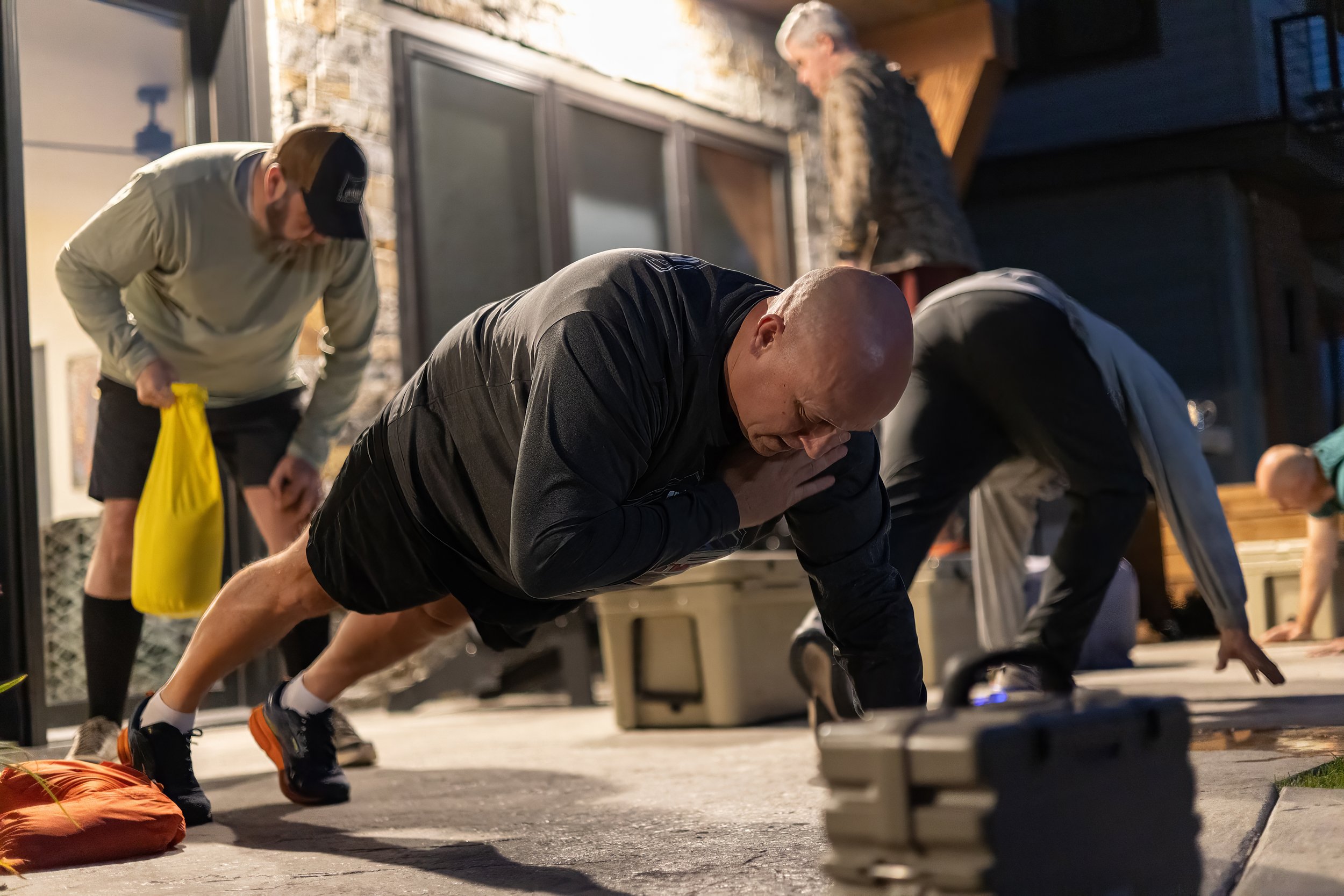
Investing in Thriving
When you invest in Warriors & Quiet Waters, you're not just helping veterans avoid the worst outcomes. You're helping them achieve the best ones. You're funding the difference between a veteran who survives and a veteran who thrives.
This distinction matters for how you think about impact. Crisis intervention is essential, but its success is measured in negatives—deaths prevented, hospitalizations avoided, crises averted. These are important, but they're also invisible. You can't see what didn't happen. You can't meet the veteran who didn't reach crisis because crisis was all they ever experienced.
Investing in thriving creates visible, positive change. You can see a veteran who has discovered purpose. You can meet someone who has built genuine confidence through mastery. You can witness the transformation from someone who was merely surviving to someone who is fully alive. The impact isn't just preventing something bad—it's creating something good.
Your investment funds the months of sustained engagement that lasting change requires—not a weekend retreat that fades, but six to twelve months of genuine transformation. It provides the challenging experiences—fly fishing, archery hunting, photography—that develop mastery and confidence through genuine skill development. It creates the cohort communities where veterans find understanding and belonging with others who share their journey. It supports the evidence-based design and independent evaluation that ensure your investment actually works.
The returns on this investment extend far beyond the individual veteran. Veterans who thrive become better spouses and parents, breaking cycles of dysfunction that would otherwise continue into future generations. They become community leaders and mentors, contributing rather than withdrawing. They become employers and employees who bring military discipline and capability to civilian workplaces. They become examples of what's possible—proof that struggle doesn't have to be the end of the story.
When you invest in veteran thriving, you're not just changing one life. You're changing a family system—children grow up seeing their parent flourish rather than merely cope. You're strengthening a community—neighbors gain a contributing member rather than someone who's just getting by. You're demonstrating that our society values veterans enough to help them flourish, not just survive.
This Suicide Prevention Month, consider expanding your vision of what veteran mental health support can be. Yes, prevent crisis. Yes, provide resources for those in immediate danger. But also invest in thriving—in programs that help veterans not just survive but genuinely flourish. The goal isn't just fewer tragedies; it's more lives fully lived.
Because veterans deserve more than survival. They deserve lives worth living.
Ready to invest in veteran thriving? Your support funds strength-based, developmental programming that creates lasting transformation—not just crisis prevention, but genuine flourishing. See our mission. Make a gift today.