
Beyond the Battlefield: How Archery Hunting Reconnects Veterans with Purpose
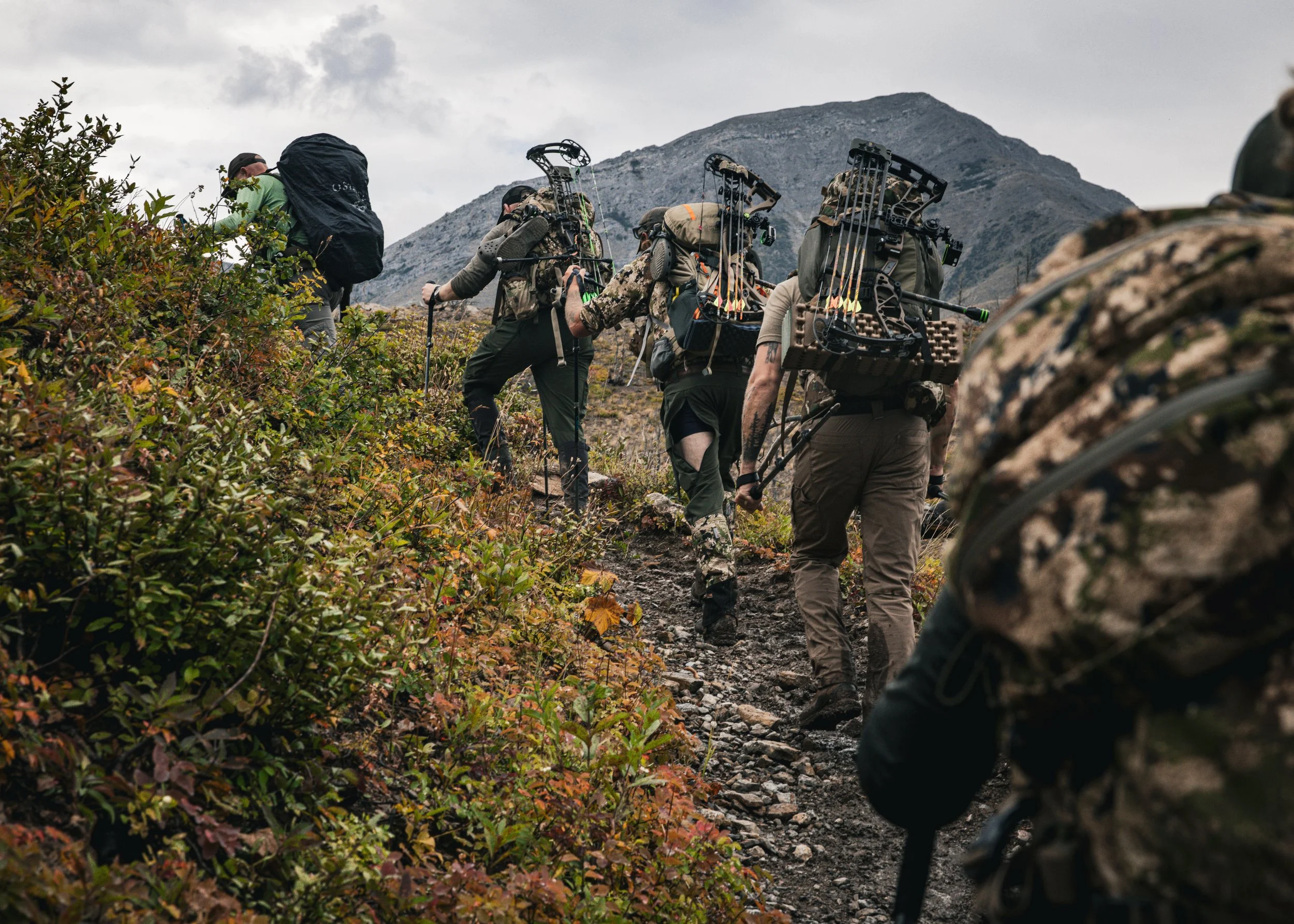
Equipped to Thrive.
It's before dawn in the Montana wilderness. The air is cold enough to see your breath, and the only sounds are wind through pines and the occasional call of an elk in the distance. A veteran sits motionless in a ground blind, bow across their lap, watching a meadow slowly emerge from darkness.
Hours may pass before anything happens. Or everything might happen in the next thirty seconds. Either way, the veteran is fully present—alert but calm, focused but patient, ready but at peace.
For veterans who have struggled to find that state since leaving service—who have felt either hypervigilant or numb, rarely anything in between—this moment represents something profound. Not escape from their experience, but integration of it. The skills that made them exceptional in combat, redirected toward something life-giving rather than life-taking.
Archery hunting isn't for everyone. It demands physical conditioning, mental discipline, technical skill, and emotional regulation in measures that many outdoor activities don't require. But for the right veterans, it offers something that gentler pursuits cannot: a challenge worthy of their capabilities, in an environment that honors rather than diminishes what they've been through.
This is why Warriors & Quiet Waters includes hunting as one of our three Built for More tracks—alongside fly fishing and photography. Each track offers a distinct pathway to transformation, and for some veterans, the hunting track is exactly what they need.
Why Hunting Resonates with Veterans
Veterans often describe feeling out of place in civilian life. The intensity they're used to, the sense of mission, the physical and mental demands—civilian routines can feel flat by comparison. They may seek out challenges that match their capabilities, or they may withdraw, feeling that nothing in civilian life requires what they have to offer.
This mismatch isn't about adventure-seeking or adrenaline addiction, as it's sometimes mischaracterized. It's about identity. Veterans built themselves into people capable of operating at high levels under extreme pressure. When nothing in their environment requires that capability, a core part of their identity goes unused—and begins to atrophy or turn problematic.
Hunting, particularly archery hunting, meets veterans where they are. It doesn't ask them to pretend they're different than they've become. Instead, it channels who they are toward something meaningful and life-affirming.
Familiar Intensity, New Context
The mental state required for hunting echoes what veterans know from military operations. Sustained alertness over extended periods. Pattern recognition in complex environments. The ability to remain calm while adrenaline surges. Split-second decision-making when the moment arrives. Reading terrain for tactical advantage. Managing discomfort without letting it compromise performance.
These capacities, developed through military training and honed in combat, don't simply disappear at discharge. They remain part of who the veteran is—sometimes uncomfortably so, when hypervigilance activates in grocery stores or startle responses fire at unexpected sounds. The capabilities that kept them alive in combat can feel like burdens in civilian life, where they seem to have no constructive outlet.
Hunting provides a context where these capacities are assets rather than liabilities. The alertness that feels excessive at a family dinner is exactly right when tracking elk through timber. The hair-trigger readiness that disrupts sleep becomes purposeful at the moment of truth with bow drawn. The tactical thinking that seems paranoid in suburban settings becomes essential when planning a stalk on a bedded buck. Veterans aren't asked to suppress these parts of themselves—they're invited to use them for something meaningful.
This recontextualization can be profoundly healing. Instead of experiencing their combat-developed traits as problems to be fixed, veterans experience them as capabilities to be directed. The shift in framing—from pathology to purpose—changes how they relate to their own experience. They're not damaged; they're specialized. And hunting is a context where that specialization makes sense.
Physical Challenge with Meaning
Many veterans miss the physical demands of military life. The training, the conditioning, the sense that their bodies were instruments of mission. Civilian desk jobs and suburban routines can feel physically diminishing after years of intense physical activity.
Archery hunting in mountainous terrain is genuinely demanding. Covering miles of rugged country. Climbing ridges in the dark. Carrying gear through terrain that punishes poor conditioning. The physical challenge isn't artificial—it's inherent to the pursuit.
But unlike gym workouts or recreational sports, this physical effort connects to something larger. Every step serves the hunt. Every climb might reveal the animal. The body's effort has meaning beyond fitness metrics—it's in service of a goal that matters.
For veterans who have felt their physical capabilities becoming purposeless, this reconnection of body and mission can restore a sense of integration that civilian life had fractured.
Ethical Weight
Hunting involves taking life—a reality that ethical hunters take seriously. This weight, rather than being avoided, can be part of what makes hunting meaningful for veterans.
Many veterans carry complex feelings about taking life in combat. Hunting doesn't resolve those feelings, but it provides a different context for engaging with them. The ethical framework of fair chase hunting—respect for the animal, commitment to clean kills, use of what's harvested—offers a way to hold the weight of taking life within a structure of meaning and responsibility.
Some veterans describe hunting as helping them process their relationship with life and death in ways that talking alone could not. The visceral, embodied nature of the experience reaches parts of the psyche that words struggle to access.
This isn't therapy in any clinical sense. But for some veterans, it's transformative in ways that clinical approaches haven't been.
The hunting track is one of three pathways in our Built for More program. Each offers distinct experiences while delivering the same core outcome: veterans equipped to thrive. Learn about Built for More.
The Psychology of the Hunt
Beyond the resonance with veteran experience, hunting engages psychological mechanisms that support healing and growth. Understanding these mechanisms helps explain why hunting works—not as magic, but as applied psychology.
Enforced Presence
One of the most common struggles for veterans with post-traumatic stress (PTS) is the inability to stay present. The mind pulls toward past events or future worries, replaying traumatic memories or anticipating threats that may never materialize. Rumination and anxiety become constant companions, stealing the ability to simply be where you are.
Hunting demands presence in a way few activities can match. A mind wandering to yesterday's argument or tomorrow's bills will miss the flicker of movement at the meadow's edge. The slight sound that signals an approaching animal will pass unnoticed. The subtle shift in wind direction that carries your scent toward your quarry will go undetected until it's too late. Hunting punishes distraction and rewards attention with an immediacy that few other pursuits can match.
This enforced presence isn't willpower—it's environment. The hunting context makes presence the natural state, pulling attention into the immediate moment through the inherent demands of the pursuit. Veterans who have struggled to meditate or practice mindfulness often find that hunting accomplishes what those techniques could not: genuine, sustained presence without the frustration of trying to force a wandering mind to settle.
Hours spent in this present state can begin to rewire patterns. The nervous system learns that sustained alertness doesn't require constant anxiety. The mind experiences that presence is possible—and even pleasant. Veterans discover that the hypervigilance that torments them in civilian settings becomes useful, purposeful attention in the hunting context. Eventually, that experience of regulated alertness transfers beyond the hunting context, providing a template for presence in daily life.
Productive Solitude
Modern life offers little true solitude. Even when alone, we're connected—phones buzzing, screens glowing, the world's noise always one tap away. Veterans who need space to process their experiences often can't find it.
Hunting provides solitude that's both genuine and structured. Hours in a blind or moving through timber alone, with no cell service and no distractions. Just the veteran, the environment, and whatever thoughts arise.
This solitude isn't empty—it's held by purpose. The hunter alone in the wilderness isn't just killing time; they're engaged in a meaningful pursuit. This structure makes the solitude productive rather than merely isolating.
Within this productive solitude, processing happens. Veterans think through experiences they've been avoiding. They sit with emotions that everyday busyness keeps at bay. They find clarity that constant stimulation prevents. The wilderness holds space for interior work that crowded, connected life cannot accommodate.
Mastery and Confidence
Archery hunting is difficult. The skill required for a clean, ethical kill with a bow demands hundreds of hours of practice. The woodcraft needed to get within bow range of a wild animal takes years to develop fully. Success is never guaranteed, even for experienced hunters.
This difficulty is precisely the point. When a veteran develops genuine proficiency in archery hunting—when they can consistently shoot accurately, read terrain and animal behavior, and execute a successful hunt—they've accomplished something objectively challenging.
The confidence that results isn't abstract or given by others. It's earned through demonstrated competence at a demanding skill. This kind of confidence—rooted in actual capability rather than positive affirmations—proves particularly durable. Veterans know they can do hard things because they've done this hard thing.
As with other mastery experiences, this confidence tends to transfer. Veterans who have proven themselves capable in the hunting context often find themselves more willing to take on challenges in other domains. The specific skill matters less than the demonstrated capacity for growth and achievement.
Connection to Something Ancient
Humans have been hunters for far longer than we've been anything else. The skills, instincts, and satisfactions of hunting are woven into our evolutionary heritage. Something in us responds to the pursuit in ways that transcend culture or personal history.
Veterans sometimes describe hunting as connecting them to something larger than themselves—not in a mystical sense, but in the sense of participating in a practice that stretches back through human history. They're doing what humans have always done, in essentially the way humans have always done it.
This connection can provide grounding that modern life lacks. In a world of screens and abstraction, hunting is viscerally real. In a culture of rapid change, hunting connects to ancient continuity. For veterans struggling to find their place in contemporary civilian life, this connection to something timeless can be stabilizing.
The Hunting Track at Warriors & Quiet Waters
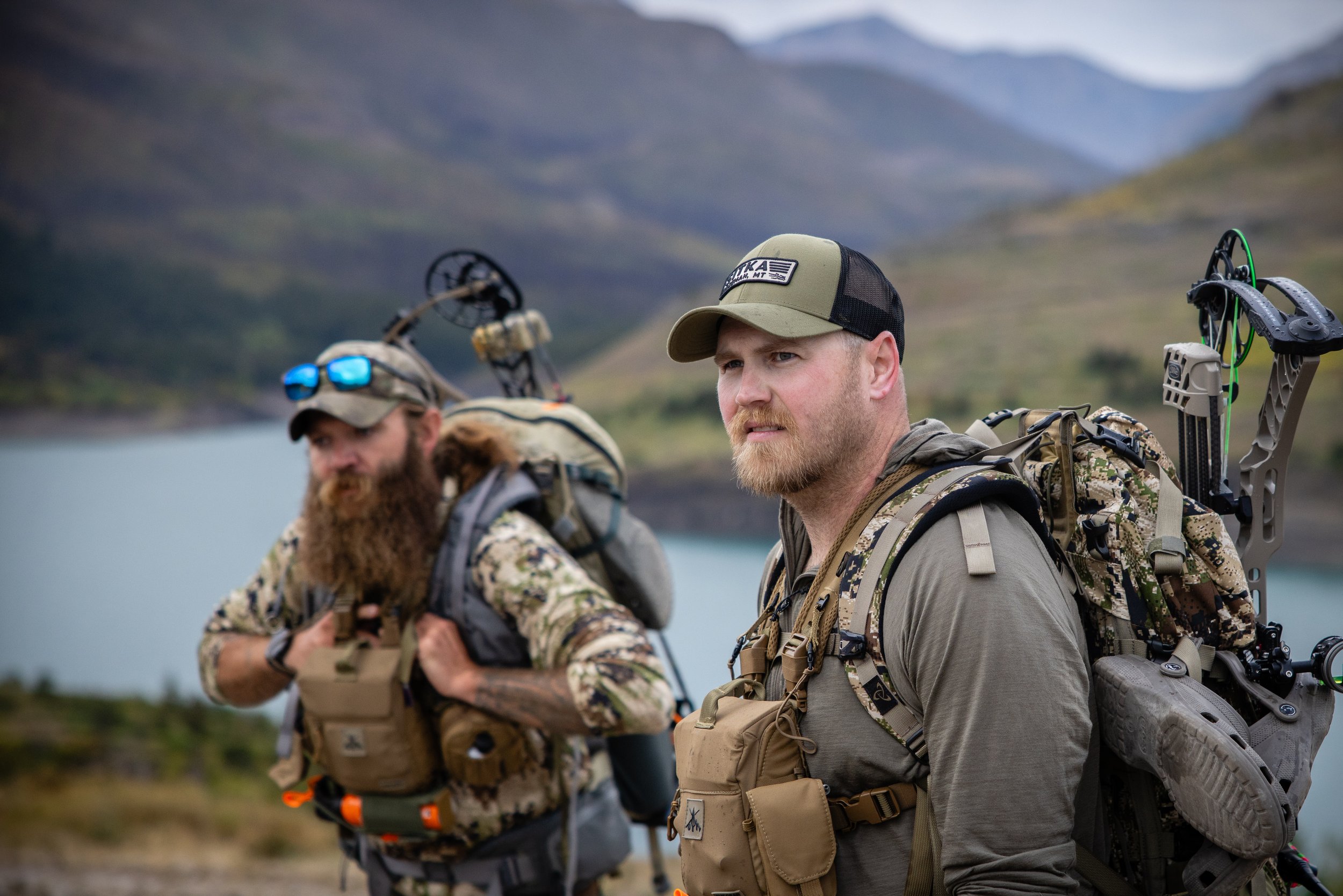
Our hunting track isn't a weekend trip or a single guided hunt. It's a comprehensive experience designed to develop genuine capability while providing the psychological benefits that hunting can offer.
Three Weeks in Montana
The hunting track consists of three separate weeks in Montana with your cohort—significantly more time than our fishing and photography tracks. This extended duration reflects the demands of the pursuit. Archery hunting requires more preparation, more patience, and more time in the field than most outdoor activities. You can't compress genuine hunting skill development into a long weekend.
During the first week, veterans receive their hunting gear and begin the physical, mental, and spiritual journey of becoming an archery hunter. This isn't a crash course—it's the foundation for everything that follows, building fundamental skills and beginning the bonds that will carry through the entire experience.
The second visit is an intensive "boot camp" designed to reconnect with your cohort and dial in archery, hunting, and field-craft skills. The time between visits isn't empty—veterans practice independently, developing their abilities and preparing for this intensive refinement. When they return, the progress is visible, and the cohort bonds deepen through shared challenge.
The third and final week in the Fall is the hunt itself—a week-long archery hunt in Montana with part of your cohort. Everything has been building to this: the skills, the conditioning, the mental preparation, the relationships. Veterans put it all together in pursuit of game, experiencing the full intensity of what they've been working toward.
Throughout this entire journey, veterans complete their personal growth work online, staying connected with their cohort between visits to Montana. The structure ensures that transformation isn't confined to time in the field—it's woven through months of engagement and development.
Montana provides the setting: vast wilderness, healthy game populations, and the kind of dramatic landscape that puts human concerns in perspective. The mountains don't care about your problems—but somehow, that's comforting. Within that vastness, veterans find space to be small in a good way, part of something larger than their individual struggles.
Archery Focus
We focus specifically on archery hunting for several reasons. The challenge is greater—bow range is a fraction of rifle range, demanding closer approach and better woodcraft. The skill development is more intensive—archery requires consistent practice and refined technique.
But there's something else: archery hunting is quieter. The absence of gunfire changes the experience in subtle but significant ways. For veterans with sound-related triggers, this matters. The hunt remains intense but without the auditory associations that can complicate firearm use.
The bow itself becomes a focus for mastery. Veterans work on their archery throughout the program—not just during hunts, but in daily practice. The physical discipline of drawing, aiming, and releasing cleanly provides a kind of moving meditation. The immediate feedback of arrows hitting or missing targets makes progress visible and motivating.
Beyond the Initial Experience
The hunting track's three-visit structure naturally builds sustained engagement into the experience. Between visits to Montana, veterans continue their personal growth journey online with their cohort. They practice archery independently, building the skills they'll refine during the boot camp week. They stay connected with cohort members who understand their journey.
This structure means transformation isn't compressed into a single intensive—it's spread across months, with Montana visits serving as anchoring experiences within a longer arc of growth. Veterans have time to integrate what they learn, practice between sessions, and return to Montana ready to go deeper.
By the final hunt week, the contrast between who veterans were at the start and who they've become is often striking. The archery skills that felt impossible during week one are now second nature. The cohort bonds that began as introductions have become genuine brotherhood. The personal growth work has moved from concept to lived experience.
Our outcomes are independently verified by Syracuse University's Institute for Veterans and Military Families: 4x improvement in resilience, 4x improvement in sense of purpose, 2x increase in overall thriving—measured months after program completion. See our verified impact.
What Your Investment Makes Possible
The hunting track requires significant resources. Three weeks in Montana, professional instruction from experienced guides and hunters, quality archery equipment that veterans keep after the program, access to prime hunting areas, lodging and meals throughout the experience—the costs are real and substantial.
But so are the returns. Veterans who complete the hunting track don't just know how to hunt. They've rediscovered capabilities they thought they'd lost. They've found an activity that honors rather than pathologizes their military experience. They've built confidence through genuine mastery of a demanding skill. They've connected with a cohort of fellow veterans who understand their journey and will remain connected for years to come.
When you invest in Warriors & Quiet Waters, you make this possible. Every veteran in our hunting track participates at no cost to themselves—because donors like you believe that effective transformation is worth funding, even when it requires real resources. Your generosity removes the financial barriers that would otherwise prevent veterans from accessing this experience.
Your investment funds the gear and instruction that develops real skill—not just participation. It pays for expert guides who teach archery technique, field craft, and hunting strategy. It supports the Montana wilderness experiences that provide the context for transformation. And it sustains the months of ongoing engagement through the online personal growth journey that makes change last.
The ripple effects extend far beyond the individual veteran. A veteran who rediscovers purpose through hunting becomes a better spouse, parent, and community member. They carry their transformation into every relationship and role. Your investment in one veteran's hunting track experience creates benefits that extend through families and communities for years to come.

The Right Challenge for the Right Veterans
Archery hunting isn't the right fit for every veteran. Some will find their transformation through fly fishing's meditative rhythm, learning to read water and present flies with precision and patience. Others will discover their path through photography's creative expression, seeing the world through new eyes and capturing moments of beauty and meaning. The three tracks exist because different veterans need different pathways, and what transforms one person may not resonate with another.
But for veterans who crave genuine challenge, who miss the intensity of military life, who want to use rather than suppress the capabilities they developed in service—the hunting track offers something unique. It doesn't ask them to become someone different. It helps them channel who they already are toward something constructive and life-affirming.
In the Montana wilderness, bow in hand, fully present in a way that civilian life rarely allows, these veterans discover something important: they weren't built just for war. They were built for challenge, for discipline, for mastery, for meaning. The same qualities that made them effective warriors make them effective hunters—and those qualities can continue serving them throughout civilian life.
They were built for more than combat. They were built for more than struggling through civilian life wondering where their capabilities fit. They were built for thriving—and hunting helps them find their way there.
And in that discovery, they find their way forward—not by leaving behind who they became in service, but by channeling it toward something life-giving. Beyond the battlefield, a new kind of purpose awaits. The hunt becomes a bridge between who they were and who they're becoming.
Because the skills forged in service can become the foundation for thriving.
Ready to invest in veteran transformation? Your support funds the hunting track and all three Built for More pathways—creating lasting change for veterans who are ready to thrive. Make a gift today.