
Why Healing Happens Better Away From Home: The Case for Destination Veteran Programs
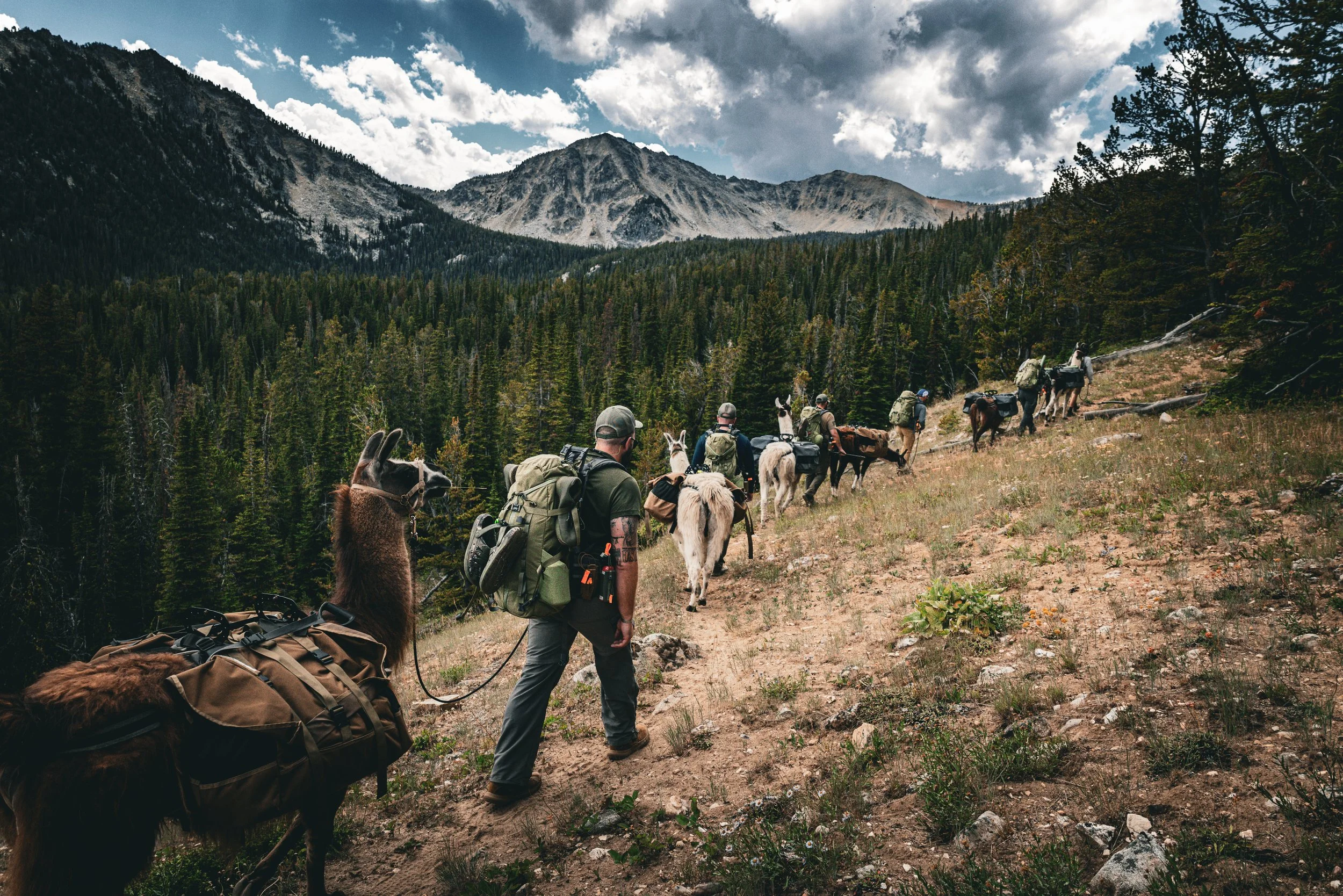
Equipped to Thrive.
Try this thought experiment: Imagine attempting to fundamentally change your life while sitting in your living room.
The same couch where you've spent countless evenings. The same view out the window. The same sounds from the street. Your phone buzzing with the same notifications. The pile of mail that needs sorting. The dishes that need washing. The thousand small reminders of who you've been and what your life has looked like.
Now try to reimagine yourself. Try to step back from ingrained patterns. Try to see your life from a fresh perspective and chart a new course.
It's not impossible. But it's remarkably hard. The environment that shaped your current patterns constantly pulls you back toward them. The context cues that trigger habitual responses surround you. The roles you play—spouse, parent, employee, neighbor—demand continuation of the person you've been.
This is why destination programs work differently than local interventions. Not because the therapy is necessarily different, or the content more sophisticated, but because physical distance creates psychological space. Getting away isn't just a luxury—it's a mechanism for change.
For veterans navigating the transition from military to civilian life, dealing with the weight of combat experiences, or searching for purpose and direction, that psychological space can make the difference between temporary insight and lasting transformation.
The Psychology of "Getting Away"
There's a reason humans have long sought retreats, pilgrimages, and journeys as vehicles for personal change. Something happens when we physically remove ourselves from our everyday environment—something that goes beyond simply having a nice time in a new place.
Psychologists have studied this phenomenon from multiple angles, and the findings converge on several key mechanisms that make destination experiences more conducive to change than staying at home.
Breaking the Context-Behavior Link
Our behaviors are deeply tied to the contexts where they occur. This is why someone might smoke only when drinking with certain friends, or why anxiety spikes in specific locations, or why unhealthy eating patterns reassert themselves the moment we walk into our own kitchen.
These context-behavior links form through repetition. Every time we respond a certain way in a certain environment, we strengthen the association. Eventually, the environment itself becomes a trigger—we don't choose the behavior so much as fall into it.
For veterans dealing with post-traumatic stress (PTS), these context-behavior links can be particularly powerful. Certain sounds, smells, or visual cues in the home environment may trigger hypervigilance or anxiety. The bedroom where sleep has been elusive for years becomes associated with insomnia. The living room where arguments have escalated becomes charged with tension before anyone speaks.
Physical relocation disrupts these links. In a new environment, the automatic triggers aren't present. The cues that normally prompt habitual responses are absent. This creates an opening—a window where new patterns can form without competing against the weight of established associations.
It's not that the old patterns disappear permanently. They're still there, waiting back home. But the temporary freedom from contextual triggers allows veterans to experience themselves differently, to practice new responses, to build new neural pathways that can compete with the old ones when they return.
Permission to Focus on Self
At home, veterans are embedded in webs of responsibility. They're parents, spouses, employees, caregivers, neighbors. Each role makes legitimate demands. Each relationship requires attention and energy.
Personal growth work often gets squeezed into whatever margins remain—a therapy appointment between work and picking up the kids, a few minutes of reflection before exhaustion takes over, an intention to practice new habits that gets derailed by the next family need.
There's also something deeper: many veterans feel they don't deserve to focus on themselves. The self-sacrifice that defined military service can persist as a belief that their own needs should always come last. Taking time for personal work feels selfish when others are depending on them.
A destination program restructures this equation. When a veteran travels to Montana for a week, everyone understands they're doing something important. The family adjusts. Work is handled. The veteran has explicit permission—external and internal—to focus entirely on their own growth.
This permission is psychologically powerful. It removes the guilt that undermines engagement. It eliminates the distraction of competing responsibilities. It says, clearly and unambiguously: this time is for you.
Veterans who struggle to justify an hour of therapy at home can fully immerse in a week-long intensive because the context has changed. The destination itself grants permission that they couldn't give themselves.
The Reset of Physical Distance
There's something about physical distance that creates psychological perspective. When we're embedded in our daily lives, we can't see them clearly. We're too close to the patterns, too caught up in the momentum, too identified with our current way of being.
Distance—literal, geographical distance—creates room for reflection that proximity doesn't allow. From a thousand miles away, the life we've been living looks different. The patterns become visible. The ruts we've worn reveal themselves as choices rather than inevitabilities.
This is why people often have breakthrough insights while traveling, why problems that seemed intractable suddenly show solutions when viewed from a new location, why the question "what do I actually want?" becomes answerable in ways it wasn't at home.
For veterans working to recalibrate their life's trajectory, this perspective is invaluable. The distance from daily routine creates space to ask fundamental questions: Who am I now that I'm no longer in uniform? What gives my life meaning? What kind of person do I want to become?
These questions are hard to engage seriously while navigating traffic to work or helping kids with homework. They require space—mental, emotional, and yes, physical space—that destination programs provide.
Warriors & Quiet Waters brings veterans to Montana precisely because distance matters. Our destination model isn't about luxury—it's about creating the conditions where genuine transformation becomes possible. Learn about our programs.
Why Nature Amplifies the Effect
Not all destinations are created equal. A veteran could travel to a conference center in a suburban office park and gain some benefit from the distance. But there's compelling evidence that natural environments amplify the psychological benefits of getting away.
The Restorative Power of Natural Settings
Researchers have documented what many people intuitively sense: time in nature reduces stress, improves mood, and restores cognitive function. Natural environments engage attention in ways that feel effortless, allowing the mental fatigue of daily life to recover.
This restoration effect is particularly relevant for veterans dealing with PTS or the chronic stress of difficult transitions. The nervous system that's been running on high alert can begin to settle. The mind that's been hypervigilant can start to relax. The body that's been carrying tension can finally release.
Montana's landscapes—the rivers, mountains, forests, and vast open spaces—provide an environment that actively supports healing. It's not just beautiful scenery (though it is that). It's a setting that invites the nervous system to downregulate, that provides the calm required for deep personal work.
Unfamiliar Terrain, Fresh Perspective
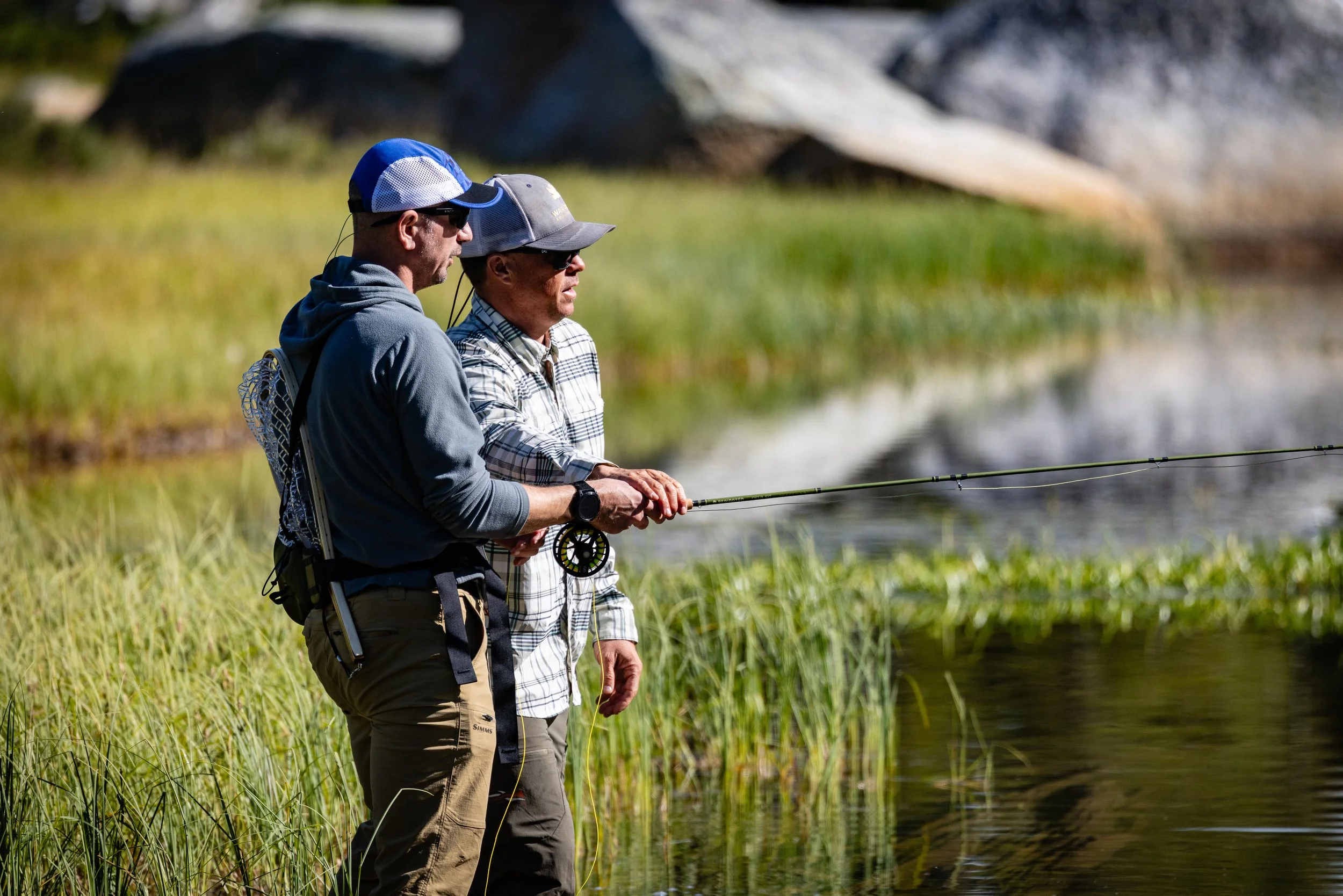
There's another dimension to nature's impact: unfamiliar natural terrain requires presence. When you're wading an unfamiliar river, tracking game through new territory, or photographing landscapes you've never seen, you can't operate on autopilot. The environment demands attention.
This forced presence pulls veterans out of the rumination loops that can dominate their mental lives. Instead of replaying past events or worrying about future problems, they're anchored in the immediate moment—reading the water, watching for movement, composing the shot.
For veterans who struggle with intrusive thoughts or anxiety about the future, this present-moment engagement provides relief. It demonstrates—experientially, not just conceptually—that peace is possible. That the mind can settle. That there are states of being beyond the chronic stress they may have come to accept as normal.
Nature as Co-Facilitator
At Warriors & Quiet Waters, we don't view Montana's wild spaces as merely a backdrop for our programming. We view them as active participants in the healing process—what we call nature as a "co-facilitator."
The river teaches patience when the fish aren't biting. The mountain demands respect and careful planning. The changing light rewards the photographer who waits for the right moment. Nature provides lessons that no curriculum could deliver as effectively.
And nature holds space for difficulty in ways that built environments can't match. A veteran can sit by a river and process grief without the pressure of a therapist's office. They can hike through challenging terrain and feel their own strength returning without anyone telling them they're capable. The wilderness witnesses their journey without judgment.
This may sound abstract, but veterans consistently describe it as one of the most powerful elements of their experience. The land and water aren't just locations—they're sanctuaries for growth.
The Immersion Advantage
Local programs typically operate in fragments. An hour of therapy here, a support group meeting there, perhaps a weekend workshop. These interventions can be valuable, but they're constantly interrupted by the demands of daily life.
Destination programs offer something different: immersion. Five days where the only agenda is growth. Where every conversation, every activity, every moment of rest serves the larger purpose of transformation.
Building Momentum
Change requires momentum. Insights need to build on each other. Emotional breakthroughs need time to integrate. New patterns need repetition to solidify.
In a fragmented local program, momentum is constantly interrupted. A powerful therapy session on Tuesday gets diluted by the stresses of Wednesday, Thursday, and Friday before the next session on Monday. Progress happens, but slowly, with frequent backsliding.
An immersive destination experience allows momentum to build continuously. Day one's insights inform day two's work. Day two's breakthroughs deepen on day three. By day five, veterans have covered ground that might take months of weekly sessions to traverse.
This doesn't mean five days replaces months of work—which is why Built for More extends over six to twelve months with continued engagement after the initial experience. But the immersive beginning creates a foundation that subsequent work builds upon. Veterans return home already transformed in important ways, with momentum that carries forward.
The Power of Cohort
Destination programs also enable something that local interventions rarely achieve: deep cohort bonds.
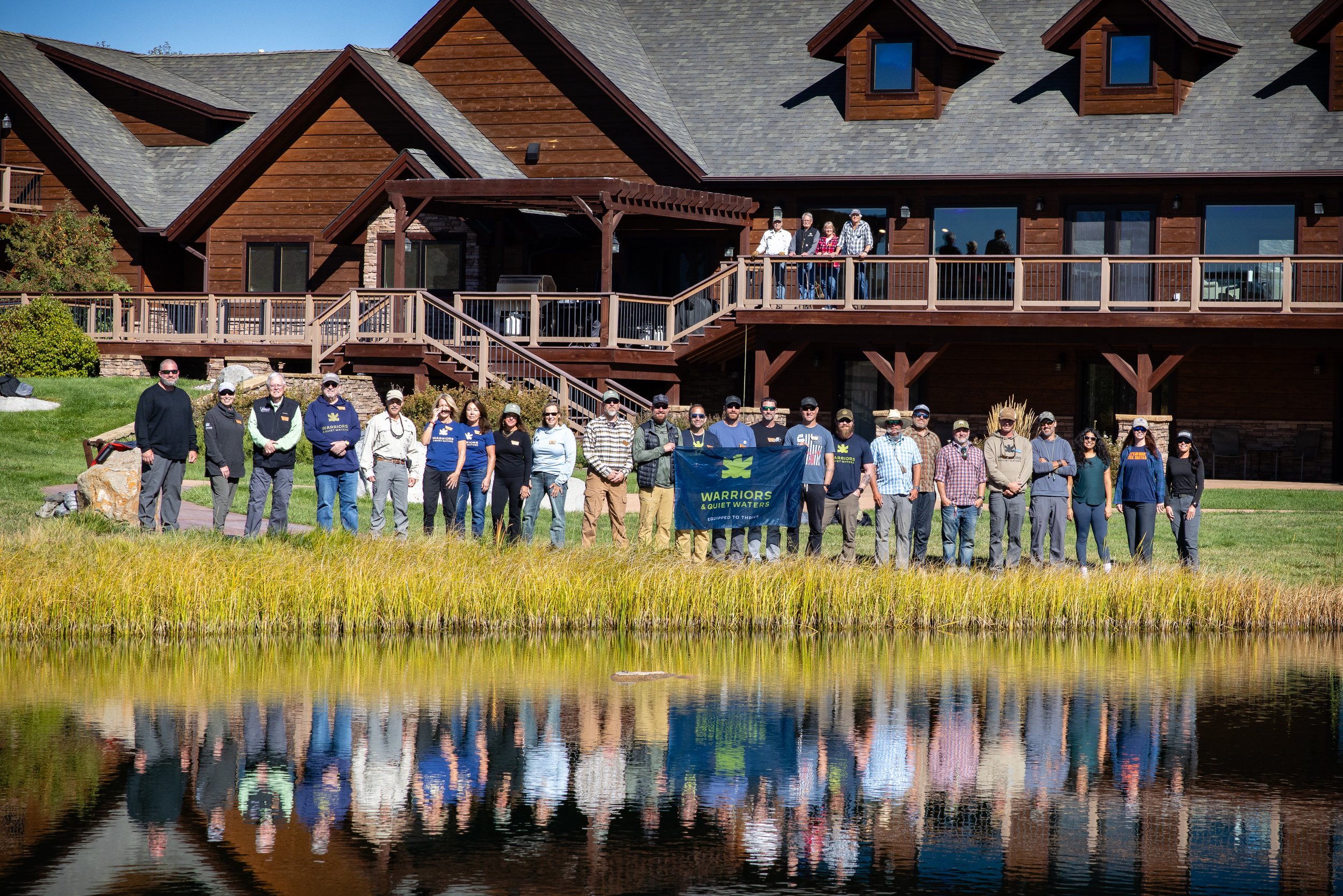
When veterans spend five days together in an intensive shared experience—learning alongside each other, supporting each other through challenges, sharing meals and conversations and moments of vulnerability—they form connections that persist long after they leave Montana.
These aren't casual acquaintances. These are people who've seen each other struggle and succeed. Who understand the veteran experience without needing explanation. Who've made themselves vulnerable in the same space. The bonds formed in immersive settings often become lifelong sources of support.
A weekly support group can build relationships over time, but the intensity is different. Destination immersion compresses months of relationship-building into days, creating connections that might never form in fragmented local programming.
What Happens When They Return
The obvious concern with destination programs is sustainability. What happens when veterans return to the same environment they left? Won't the old patterns reassert themselves?
This is a legitimate question, and it's one that poorly designed destination programs fail to address. A powerful week-long experience that ends abruptly when the veteran boards a plane home will likely fade. Researchers call this the "vacation effect"—the benefits of getting away dissipate as daily life resumes.
This is precisely why Built for More doesn't end with the Initial Experience. The five days in Montana are just the beginning. Veterans return home having formed their cohort bonds, having tasted new possibilities, having begun their skill development. But then comes six to twelve months of continued engagement.
Sustaining Change Through Distance Engagement
During the Discovery Phase, veterans video conference regularly with their cohort and trained facilitators. They work through structured curriculum designed to help them apply insights from Montana to their daily lives. They continue developing their chosen skill—fly fishing, hunting, or photography—independently, bringing experiences back to share with the group.
This extended engagement serves as a bridge between the immersive destination experience and lasting change in daily life. Veterans aren't abandoned after their week in Montana—they're supported through the challenging work of integrating what they've learned into their real-world context.
The cohort relationships formed during the Initial Experience become accountability structures. Veterans know their peers are watching, caring, and expecting them to follow through on commitments. The bonds formed in Montana create ongoing support that transcends geography.
Returning to the Destination
The Capstone Experience brings cohorts back to Montana at the end of their Built for More journey. This return serves multiple purposes.
It allows veterans to see their own transformation. The contrast between who they were during the Initial Experience and who they've become is often profound—and it's visible in their skill development, their relationships with cohort members, their sense of confidence and direction.
It solidifies the cohort bonds formed earlier, cementing relationships that will continue beyond the formal program. And it provides another immersive experience—another opportunity to step away from daily life and focus entirely on growth.
The destination model, properly implemented, isn't a temporary escape. It's a strategic use of immersive experiences at key moments, connected by sustained engagement that carries the transformation forward.
Our independently verified outcomes show the results: Built for More participants achieve 4x improvement in resilience, 4x improvement in sense of purpose, and are 2x more likely to be thriving overall—measured months after completing the program, when they're back in their daily lives. These results don't happen by accident. They happen because the program design sustains what the destination experience begins. See our verified impact data.
Why Montana
People sometimes ask why we're based in Montana specifically. Couldn't the same destination model work somewhere else?
In theory, yes. The psychological mechanisms of getting away, immersion, and nature's restorative effects could operate in many locations. But Montana offers a particular combination of elements that make it ideal for this work.
The landscape itself is dramatic enough to interrupt habitual thinking. You can't look at Montana's mountains and rivers and stay stuck in the small concerns that dominated your attention yesterday. The scale of the environment puts personal problems in perspective while simultaneously suggesting that something larger is possible.
Montana offers world-class opportunities for the skills our program emphasizes. The fly fishing is legendary. The hunting challenges even experienced outdoorspeople. The photography opportunities are endless. Veterans aren't learning these skills in diminished settings—they're learning in some of the best terrain in the world.
And Montana is genuinely remote. For most veterans, getting here requires real travel—a flight, a drive through landscapes increasingly wild. That journey itself is part of the transition, part of the psychological separation from daily life. By the time veterans arrive, they've already begun leaving their usual context behind.
Quiet Waters Ranch, our program headquarters, was designed specifically to support veteran transformation. It's not a converted hotel or rented conference space—it's a purpose-built sanctuary where every element serves the mission. Veterans live together, share meals together, learn together in spaces designed for exactly this work.
What Your Support Makes Possible
Destination programs are more resource-intensive than local interventions. There's no way around this reality. Bringing veterans to Montana, housing them at Quiet Waters Ranch, providing world-class instruction in fly fishing, hunting, and photography, and supporting them through months of continued engagement—all of this requires substantial investment.
But the outcomes justify the investment. We're not measuring success by how many veterans we touch briefly. We're measuring success by how many veterans actually transform—building lasting purpose, resilience, and wellbeing that persists long after they leave Montana.
When you support Warriors & Quiet Waters, you're not funding a vacation. You're funding the psychological infrastructure of change. You're providing the physical distance that creates psychological space. You're enabling the immersion that builds momentum. You're supporting the natural environment that facilitates healing. And you're sustaining the extended engagement that makes transformation last.
Every veteran who travels to Montana does so at no cost to themselves—because donors like you believe that effective support is worth the investment. Your generosity provides the flights, the accommodations, the instruction, the equipment, and the months of follow-up that turn a powerful week into a changed life.
The Ripple Effects of Destination Healing
When a veteran returns home transformed, the benefits extend far beyond that individual. Families notice the difference—more presence, more patience, more engagement. Communities gain leaders who've found their purpose and rebuilt their confidence. Other veterans see what's possible and find hope for their own journeys.
The distance traveled to Montana becomes a story veterans tell—a marker in their narrative that separates before from after. "Something changed for me in Montana" becomes a touchstone they return to when challenges arise. The physical journey becomes part of their transformation story.
And the skills developed there—fly fishing, hunting, photography—become lifelong practices. Veterans don't just learn something in Montana; they gain pursuits they can engage for decades, each outing reinforcing the confidence and presence they discovered during Built for More.
This is the power of destination programming done right. Not a temporary escape, but a launching point. Not an isolated experience, but the beginning of a sustained journey. Not a week away from life, but a week that changes how life is lived.
The distance matters. Getting away matters. Montana matters. Because sometimes healing happens best when we're far from where we've been—and fully present to where we're going.
Because the journey to thriving often starts with the journey away.
Ready to help a veteran make the journey? Your support funds the destination experiences, expert instruction, and sustained programming that create lasting transformation. Explore Built for More or make a gift today.