
Supporting the Whole Family: Why Veteran Programs Should Include Loved Ones
Equipped to Thrive.
When a service member deploys, the whole family deploys. The spouse who manages everything alone. The children who mark days on a calendar until their parent returns. The parents who watch the news with held breath. Military service is never an individual endeavor—it reshapes everyone connected to the person in uniform.
So why do most veteran support programs treat the transition home as if only the veteran needs help?
The veteran returns carrying the weight of their service—combat experiences, moral injuries, the disorientation of leaving a structured identity behind. But they return to a family that has also been changed by the years of service. A spouse who has adapted to independence and may struggle to make room again. Children who don't quite recognize this person who used to be their parent. A household that developed new rhythms that don't include the returning veteran.
Helping the veteran alone, while ignoring the family system they're embedded in, is like treating one player on a team and expecting the whole team's performance to improve. It might help—but it misses something fundamental about how human beings actually heal and thrive.
This Military Appreciation Month, we want to highlight something that often gets overlooked in conversations about veteran support: the families. The spouses, partners, caregivers, and loved ones whose lives are inextricably bound to the veterans we serve. Because supporting veterans well means supporting the people who support them.
The Hidden Burden of Military Families
Military families carry burdens that civilian families rarely face. These aren't complaints—military families tend to be remarkably resilient and proud of their service. But acknowledgment isn't complaint, and understanding these challenges is essential for effective support.
The Weight of Repeated Deployments
During deployments, spouses become single parents. They handle every household decision, every child's crisis, every broken appliance and overdue bill—while carrying constant low-grade worry about their partner's safety. They develop competence and independence out of necessity.
Children, meanwhile, grow up with absence as a recurring theme. They miss birthdays, graduations, ordinary Tuesday dinners. They learn to cope with a parent who disappears and reappears, each time slightly different than before. They develop their own stress responses—some acting out, others becoming preternaturally self-sufficient.
Each deployment creates adaptation. And each adaptation, however necessary, can complicate the reconnection when the service member returns.
Secondary Traumatic Stress
When veterans struggle with post-traumatic stress (PTS), their families often develop what researchers call "secondary traumatic stress." Living with someone who has nightmares, hypervigilance, emotional numbing, or anger outbursts takes a toll on those nearby. The stress doesn't stay contained within one person—it radiates outward, affecting everyone in close proximity.
Spouses may find themselves constantly managing the household environment to avoid triggering their partner. They learn to read moods, anticipate reactions, smooth over situations before they escalate. They become hypervigilant themselves—always scanning for signs of distress, always prepared to intervene. This vigilance is exhausting—and it mirrors some of the very symptoms their veteran partner experiences.
Over time, this adaptive behavior can become its own problem. The spouse may develop anxiety, depression, or their own sleep disturbances. They may lose touch with their own needs and identity as they focus entirely on managing their partner's wellbeing. They may feel isolated, unable to share their struggles with friends who don't understand military life.
Children absorb stress even when parents try to shield them. They notice the tension, the walking on eggshells, the conversations that stop when they enter the room. They sense when something is wrong, even if they can't articulate what. Some develop anxiety or behavioral issues that seem unconnected to the family situation. Others become caretakers themselves, parentified before their time, taking on emotional responsibilities no child should carry.
Secondary traumatic stress isn't weakness—it's a natural human response to living in close proximity to someone who is suffering. Our nervous systems are wired to respond to the distress of those we love. But it means that by the time a veteran enters a support program, their family members may need support of their own. They're not bystanders to the veteran's struggle—they're participants in a shared family challenge.
Relationship Strain
The military divorce rate tells part of the story, but not all of it. Many military couples who stay together still experience significant strain—communication breakdowns, emotional distance, conflicts over roles and responsibilities, intimacy challenges.
The veteran who returns home has changed. The experiences of service, particularly combat, alter a person in ways that are difficult to articulate. They may struggle to relate to a spouse who hasn't shared those experiences. They may feel misunderstood, isolated even within their own home.
The spouse who waited has also changed. They've proven they can handle things alone. They've built routines and competencies that didn't exist before. They may resent giving up hard-won independence—or feel guilty for resenting it.
These aren't problems with simple solutions. They're the natural result of two people growing in different directions during extended separation, then trying to reconnect without a roadmap for the people they've both become.
Why Veteran-Only Programs Miss the Mark
Most veteran support programs focus exclusively on the veteran. This makes intuitive sense—the veteran is the one who served, who experienced combat, who needs help transitioning. Why complicate things by involving family members?
But this approach overlooks a fundamental reality: veterans don't heal in isolation. They heal—or fail to heal—within the context of their relationships.
The Family System Effect
Family therapists have long understood that individuals exist within systems. Change one part of the system, and the other parts must adjust. This can work positively—when the veteran improves, the whole family benefits. But it can also create friction.
Consider a veteran who participates in a transformative program. They return home with new insights, new tools, new ways of relating. But their spouse hasn't been through the same experience. The family hasn't developed shared language for the changes occurring. The veteran is trying to implement new patterns in a system that hasn't changed with them.
Sometimes this works out. But often, the unchanged system pulls the veteran back toward old patterns. Not through malice—through simple inertia. Systems resist change, even change for the better.
Programs that include family members address this dynamic directly. When spouses share the experience—learning the same concepts, developing shared language, practicing new patterns together—the whole system shifts. Change reinforces rather than undermines itself.
The Support Network Reality
For most veterans, family members are the primary support network. They're the ones present every day, the ones who notice changes in mood, the ones who can encourage new behaviors or inadvertently reinforce old ones.
A veteran might have a breakthrough in a program, but they see their therapist or support group once a week at most. They see their spouse every day. If that spouse doesn't understand what the veteran is working on, doesn't know how to support the changes, doesn't have tools for their own challenges—the daily environment can work against the weekly intervention.
Conversely, a spouse who understands the veteran's journey, who has their own tools for managing stress and communication, who knows what to do when difficult moments arise—that spouse becomes a force multiplier for the veteran's healing. The support isn't limited to program hours. It's present in the fabric of daily life.
Caregivers Need Care Too
For veterans with significant physical or psychological injuries, family members often become caregivers. They navigate VA systems, manage medications, provide daily assistance, and advocate for their veteran's needs. This caregiving role is often uncompensated and frequently unacknowledged.
Caregiver burnout is real and common. The person pouring themselves out for their veteran may have nothing left for themselves—no time, no energy, no space for their own wellbeing. And a burned-out caregiver eventually becomes unable to provide the care their veteran needs.
Programs that support caregivers directly—giving them respite, tools, community, and recognition—aren't just being nice. They're investing in the sustainability of the veteran's support system. A healthy caregiver can provide better care for longer. Everyone benefits.
Warriors & Quiet Waters recognizes that families are essential to veteran wellbeing. That's why we offer dedicated programming for military couples and caregivers—not as an afterthought, but as a core part of our mission. Learn about our Couples Experience and Military Caregiver programs.
What Family-Inclusive Support Looks Like
Including families in veteran support isn't just about inviting spouses to an occasional event or adding a family day to a veteran program. It means designing programming that intentionally addresses the needs of the whole family system—recognizing that each member has their own journey while also being part of a shared story.
Shared Experiences, Shared Language
When couples go through transformative experiences together, they develop shared reference points. "Remember when we learned that on the river" becomes shorthand for concepts that might otherwise require lengthy explanation. "Like we practiced in Montana" evokes strategies and commitments made in a meaningful context. The experience creates common ground that persists long after the program ends.
This shared language matters more than it might seem. Communication breakdown is one of the primary challenges military couples face. Years of separation, different experiences during that separation, and the difficulty of articulating what combat was like—all of these create barriers to understanding. Having shared experiences and vocabulary gives couples tools for conversations that might otherwise stall or escalate into conflict.
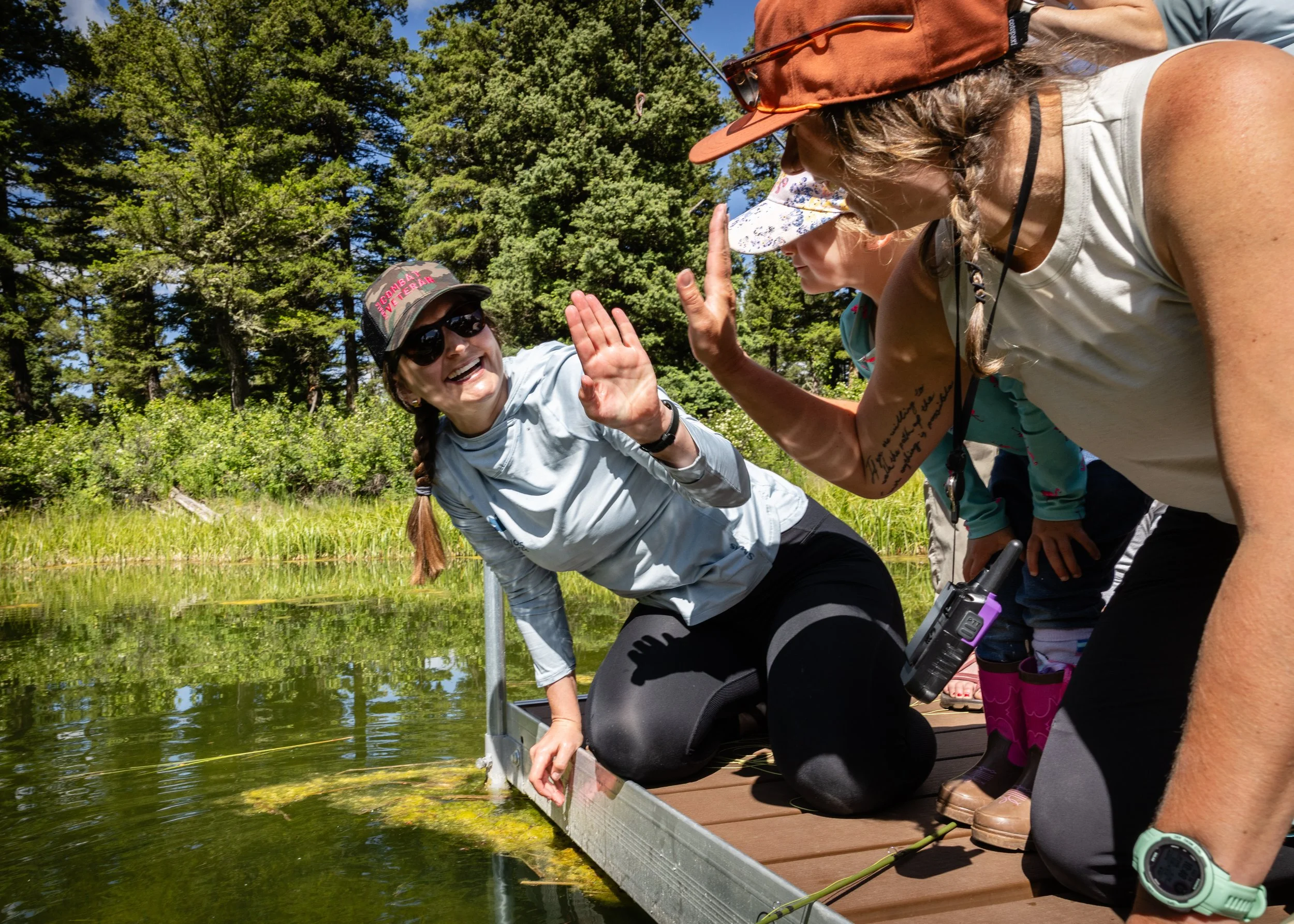
Our Couples Experience brings military couples to Montana together. They learn fly fishing together, experiencing nature and challenge as a team rather than as separate individuals. They work with facilitators on relationship dynamics, developing new patterns of communication and connection. They connect with other military couples facing similar challenges, discovering they're not alone in their struggles.
By the end, they leave not just as two individuals who have grown, but as a partnership that has strengthened. The memories they've made together become touchstones for their relationship—proof that they can face challenges together, learn together, and grow together.
Dedicated Caregiver Support
Military caregivers face unique challenges that general veteran programming doesn't address. They need space to process their own experiences—not just their veteran's needs, but their own grief, frustration, exhaustion, and complicated emotions.
Our Military Caregiver programs provide exactly this. Caregivers come to Montana not to support their veteran, but to be supported themselves. They experience nature, learn new skills, and connect with other caregivers who understand the specific demands of their role.
This isn't respite in the sense of a brief break before returning to the same grind. It's an opportunity to develop their own sense of identity and wellbeing—resources they can draw on as they continue their caregiving role. A caregiver who has their own source of renewal provides better care than one running on empty.
Family Awareness in Veteran Programming
Even in programs designed primarily for veterans, family awareness matters. Our Built for More program helps veterans discover their values, identify their purpose, and develop tools for thriving—and throughout this process, facilitators help veterans consider how their growth affects their family systems.
Veterans are encouraged to share what they're learning with loved ones. They develop communication strategies for bringing insights home. They consider how their family relationships fit into their broader purpose and values.
This isn't the same as having family members present, but it's a recognition that veterans don't exist in isolation. Their transformation will affect their relationships, and thinking proactively about this dynamic increases the likelihood that those effects will be positive.
The Multiplier Effect
When families heal together, the impact multiplies. This isn't just feel-good language—it reflects real dynamics in how family systems function. The transformation isn't additive; it's exponential.
Breaking Negative Cycles
Family stress often operates in cycles. The veteran's hypervigilance makes the spouse anxious. The spouse's anxiety triggers the veteran's defensiveness. The tension affects the children, whose behavioral changes add stress to both parents. Round and round it goes, each person's reactions feeding the others.
These cycles can persist for years, becoming so familiar that family members don't even recognize them as patterns. They feel like "just how things are"—inevitable features of life rather than dynamics that could change.
Intervening with just one person might temporarily disrupt the cycle. But unless the whole system shifts, there's pressure to return to familiar patterns. The veteran learns to manage their hypervigilance—but the spouse is still anxious, still reacting in ways that retrigger the response. The system pulls everyone back toward the established equilibrium, even when that equilibrium is painful.
When multiple family members develop new tools simultaneously, the cycles can genuinely break. The veteran manages hypervigilance; the spouse manages anxiety; both communicate more effectively about what they need. The children sense the reduced tension and their own stress diminishes. Positive changes reinforce each other rather than being undermined by unchanged family members. The whole system shifts to a new, healthier equilibrium.
Modeling for Children
Children learn more from watching their parents than from any instruction. When they see their parents working on their relationship, prioritizing wellbeing, seeking help when needed, and growing together—they absorb lessons about how adults navigate challenges.
The military child who watches their parents struggle in isolation learns one set of lessons. The military child who sees their parents actively engaging in growth—going to Montana together, coming back with shared experiences and improved communication—learns something different entirely.
This modeling extends beyond the immediate situation. Children of military families carry their experiences into their own adult relationships. When those experiences include watching parents prioritize their relationship and seek support, those children are more likely to do the same in their own lives.
Extending the Reach
Family-inclusive programs extend the reach of veteran support without requiring additional veteran program slots. Each veteran helped through family-inclusive approaches brings benefits to their spouse, their children, their extended family network.
Consider the mathematics: A program that transforms one veteran's life creates ripples through their family and community. But a program that transforms a veteran's life while also supporting their spouse, strengthening their relationship, and addressing caregiver burnout creates ripples through multiple channels simultaneously.
This isn't about choosing between serving veterans and serving families—it's about recognizing that serving both creates multiplicative rather than merely additive impact.
Our outcomes reflect this whole-family approach. Built for More participants achieve 4x improvement in resilience, 4x improvement in sense of purpose, and are 2x more likely to be thriving overall. These results persist because veterans return to family systems equipped to support their growth. See our verified impact data.
What Donors Are Really Supporting
When you support Warriors & Quiet Waters, you're not just helping individual veterans. You're investing in family systems—the networks of relationships that determine whether veteran transformation sticks.
Your contribution funds couples who travel to Montana together, learning to reconnect after years of deployment-driven distance. It supports caregivers who finally have space to focus on their own wellbeing after years of pouring themselves out for their veterans. It enables veteran programming that considers the whole family context, not just the individual in uniform.
This comprehensive approach requires more resources than veteran-only programming. Couples programs need accommodations and instruction for two people, not one. Caregiver programs require separate logistics and specialized facilitators. Family-aware veteran programming requires additional training and curriculum development.
But the return on investment justifies the cost. A transformed veteran whose family hasn't been included may struggle to maintain their gains. A transformed veteran who returns to a strengthened family system, a supported spouse, a renewed relationship—that transformation is far more likely to last.
This Military Appreciation Month
Every May, we take time to honor those who serve. We thank veterans for their sacrifices. We recognize the commitment that military service requires.
This year, we invite you to extend that appreciation to the families who serve alongside them. The spouses who held everything together during deployments. The children who shared their parent with a demanding mission. The caregivers who continue serving their veterans long after the uniform comes off.
These family members didn't sign enlistment papers. But they've served nonetheless—through sacrifice, through adaptation, through years of carrying burdens that civilian families rarely imagine.
Supporting veterans well means supporting the families who support them. It means recognizing that military service reshapes entire family systems, and that healing those systems is essential to veteran wellbeing.
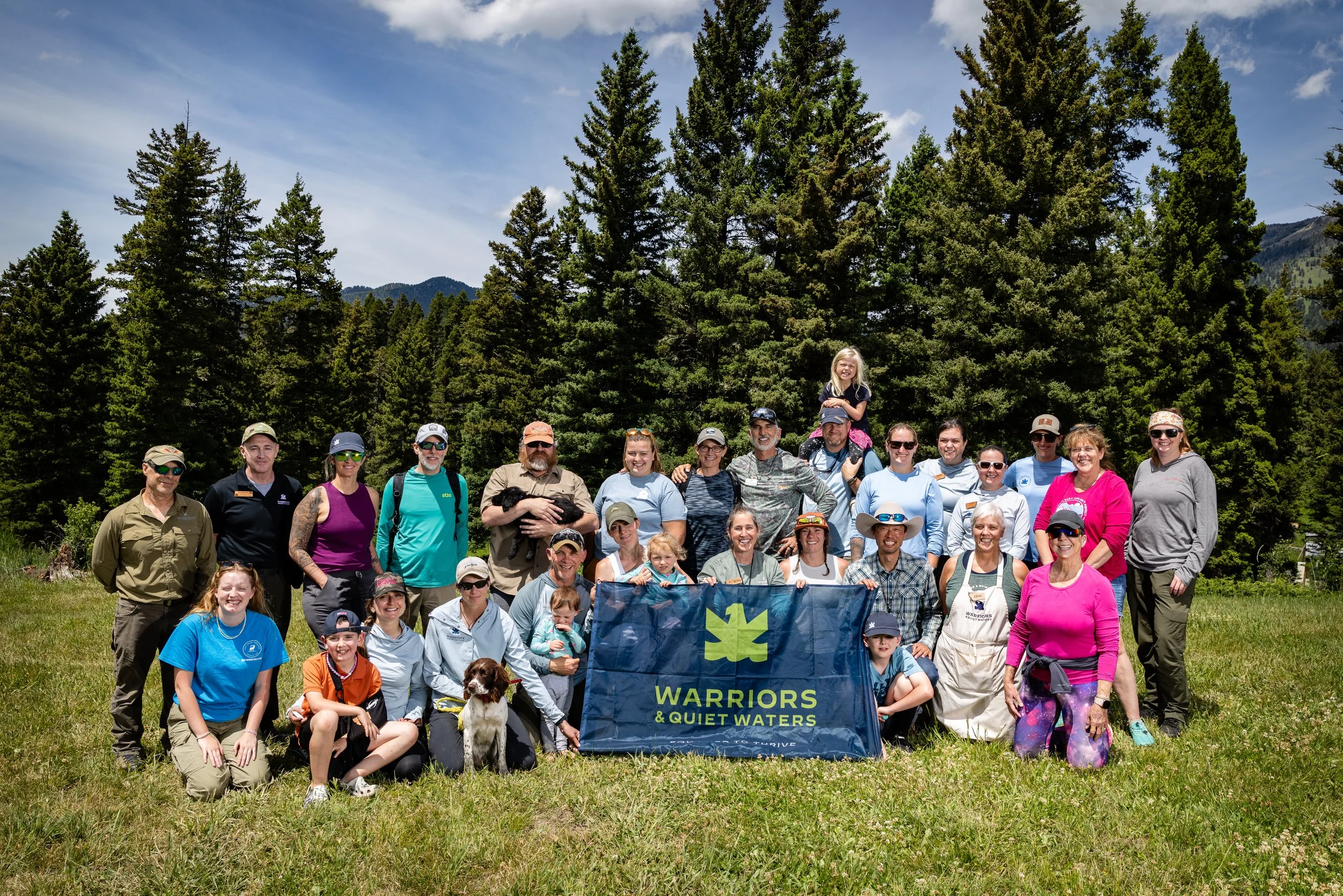
At Warriors & Quiet Waters, we're committed to this whole-family vision. Our programs serve veterans, couples, and caregivers—because we've seen what happens when families heal together. The transformation is deeper. The changes are more durable. The ripples extend further.
Military service is a family endeavor. So is military healing.
Because when we support the whole family, we equip everyone to thrive.
Ready to support whole-family healing? Your gift funds couples reconnection, caregiver support, and family-aware veteran programming that creates lasting transformation. Explore Built for More or make a gift today.