
From Surviving to Thriving: What It Really Means to Help a Veteran Heal
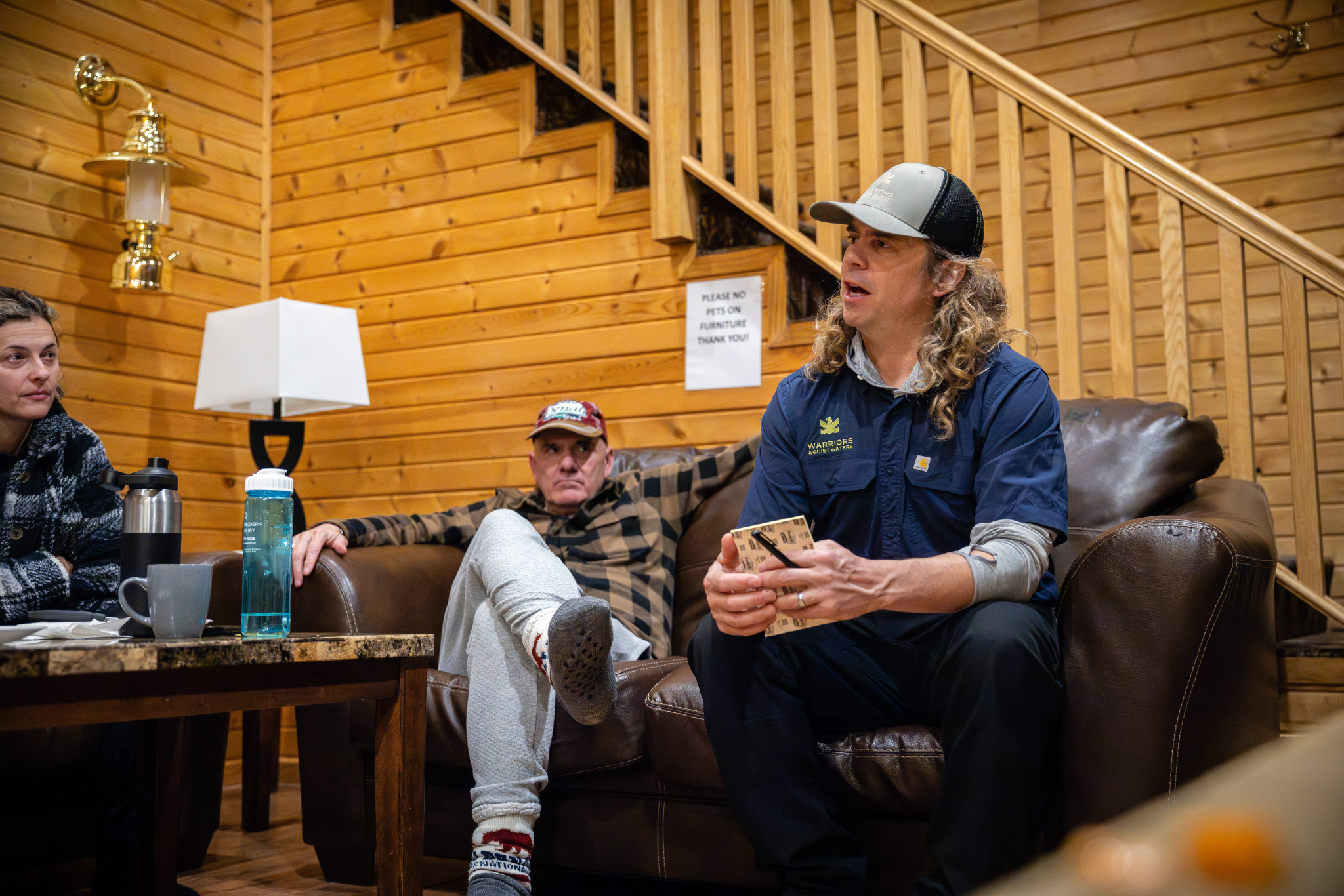
Equipped to Thrive.
He made it through combat. He made it through the transition. He's holding down a job, paying his bills, showing up for his family. By most measures, he's doing fine.
But "fine" isn't the same as flourishing. And "getting by" isn't the same as being fully alive.
This is the gap that too many veteran support programs fail to address. They're designed to prevent the worst outcomes—homelessness, addiction, suicide—which is critically important work. But once a veteran stabilizes, most programs consider the job done. The veteran has survived. Mission accomplished.
Except survival was never supposed to be the finish line. It's just the starting point.
At Warriors & Quiet Waters, we believe veterans deserve more than survival. They deserve to thrive—to live with purpose, connection, and genuine wellbeing. And after serving over 1,000 post-9/11 combat veterans since 2007, we've learned that thriving requires a fundamentally different approach than simply preventing crisis.
The distinction matters—for veterans, and for donors who want their support to create lasting change.
The Survival Mindset: Necessary but Not Sufficient
Let's be clear: crisis intervention saves lives. When a veteran is struggling with acute post-traumatic stress (PTS), considering self-harm, facing homelessness, or battling addiction, immediate stabilization is essential. The organizations doing this work are vital to the veteran ecosystem.
The challenge arises when crisis intervention becomes the ceiling rather than the floor.
The survival mindset approaches veterans as problems to be solved. It asks: What's wrong? What symptoms need managing? What crisis needs preventing? These questions have their place. But they also carry an implicit assumption—that the best a veteran can hope for is the absence of dysfunction.
This deficit-focused approach inadvertently reinforces the "broken veteran" narrative that many veterans find disempowering. It treats them as fragile, as victims, as people who need to be fixed rather than challenged to grow.
And it misses something fundamental about human flourishing: wellness isn't just the absence of illness. A life worth living requires more than avoiding the worst outcomes. It requires purpose, connection, growth, and meaning.
What Thriving Actually Looks Like
So, what does it mean for a veteran to thrive, not just survive?
It means waking up with a sense of purpose—knowing why you're here and what you're working toward. It means having people in your life who truly understand you, who have your back, who you can be honest with. It means feeling equipped to handle life's challenges, not because nothing hard happens, but because you've built the skills and support systems to navigate adversity.
Thriving isn't the absence of struggle. Many veterans who thrive still carry the weight of their service—memories that surface unexpectedly, physical reminders of deployments, the complexity of reintegrating into civilian life. The difference is that thriving veterans have the tools, community, and sense of direction to move through difficulty rather than being defined by it.
Research backs this up. Studies on post-traumatic growth show that adversity—even severe adversity—can become a catalyst for profound positive change. But that transformation doesn't happen automatically. It requires specific conditions: meaningful reflection, supportive community, renewed sense of purpose, and the opportunity to be challenged rather than coddled.
The Markers of a Thriving Veteran
What does thriving look like in practice? Based on research and our experience working with over a thousand veterans, thriving shows up across several dimensions:
Sense of Purpose: Thriving veterans have a clear answer to the question "What am I here for?" In the military, purpose was built into the structure. Every task connected to a mission. Thriving after service means finding new sources of purpose—whether in family, career, community service, or personal growth.
Meaningful Relationships: Connection isn't optional for human wellbeing—it's essential. Thriving veterans have people who understand them, support them, and hold them accountable. Often, the deepest connections come from other veterans who've walked similar paths.
Resilience Under Pressure: Life continues to throw challenges. Thriving veterans have developed the internal resources to meet those challenges—emotional regulation skills, healthy coping strategies, and the confidence that comes from having faced difficulty before.
Physical and Mental Wellness: The mind and body are interconnected. Thriving veterans attend to both—not perfectly, but consistently. They've built habits that support their health and recognize when they need support.
Growth Orientation: Perhaps most importantly, thriving veterans see themselves as works in progress. They're not "fixed" and done—they're continually learning, developing, and becoming more fully themselves.
Warriors & Quiet Waters measures these exact dimensions. Our outcomes are independently verified by Syracuse University's Institute for Veterans and Military Families, showing that Built for More participants achieve 4x greater sense of purpose, 4x greater resilience, and are 2x more likely to be thriving. See our verified impact data.
Why Most Programs Stop at Survival
If thriving is so clearly preferable to merely surviving, why do most veteran programs stop short?
Crisis Is Easier to Measure
Funders and donors often want clear metrics. Crisis prevention offers binary outcomes: Did the veteran find housing? Are they still alive? Did they complete treatment? These metrics matter, but they measure the floor, not the ceiling.
Thriving is harder to quantify—which is exactly why rigorous, third-party evaluation matters. Organizations that invest in measuring purpose, resilience, and overall well-being signal that they're aiming higher than crisis prevention.
One-Time Interventions Are Simpler
A week-long retreat or single therapeutic intervention is easier to deliver than sustained engagement over months. But research consistently shows that lasting transformation requires time. The neural pathways formed through years of military service and combat don't rewire in a weekend.
Programs that help veterans thrive commit to longer timelines—not because they're inefficient, but because deep change requires sustained support.
The Medical Model Dominates
Much of veteran mental health operates from a medical model: identify the disorder, treat the symptoms, manage the condition. This framework has its place, particularly for clinical diagnoses. But it also tends to pathologize normal responses to abnormal circumstances.
Many veterans don't have a disorder—they have unprocessed experiences, a lost sense of identity, fractured connections, and a search for meaning that civilian life hasn't satisfied. These are human challenges, not medical conditions. They require human solutions: community, purpose, challenge, and growth.
A Different Approach: Building the Conditions for Thriving
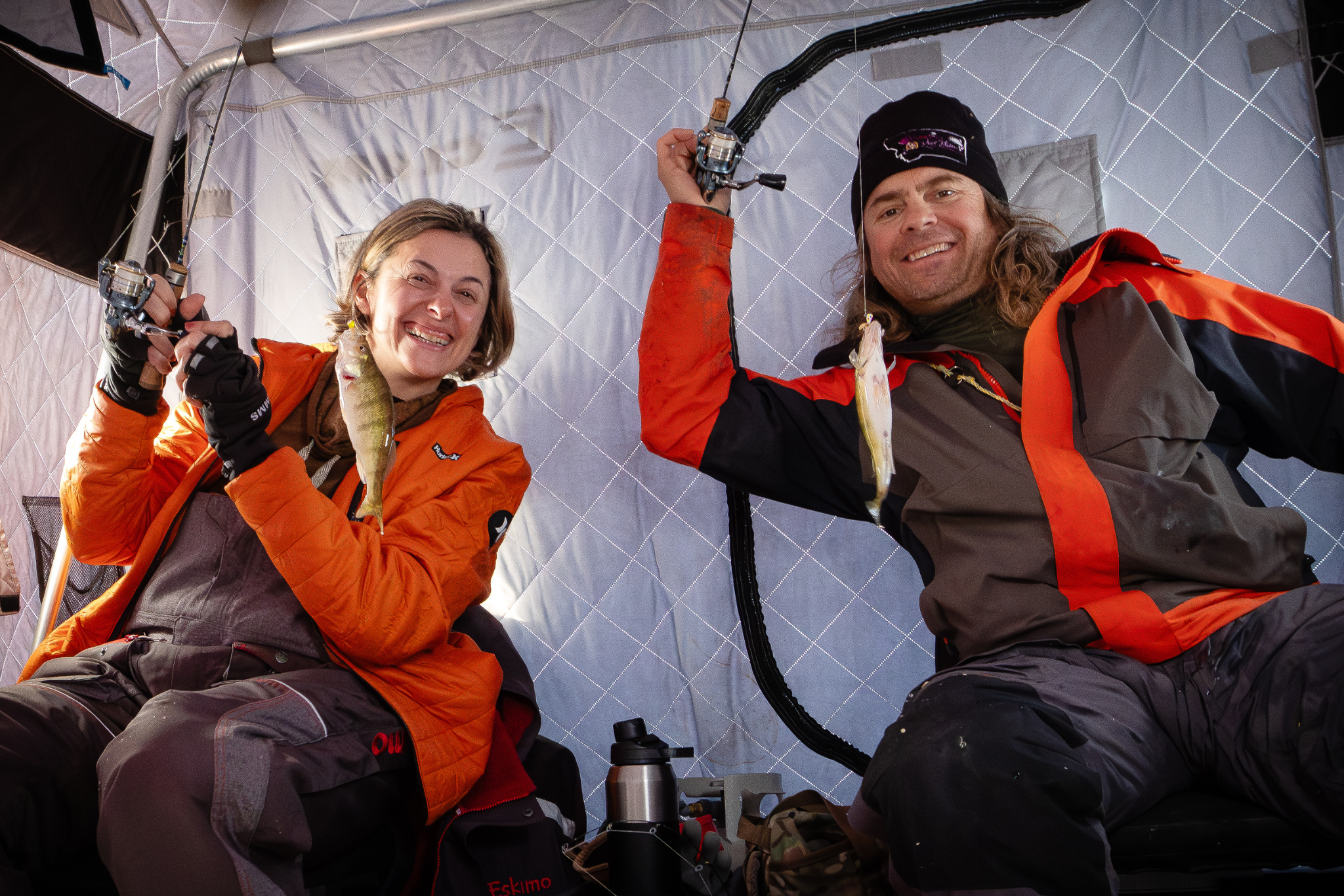
At Warriors & Quiet Waters, we've built our approach around a simple premise: transformation requires more than a moment—it requires a journey. Our Built for More program spans six to twelve months and unfolds across three intentional phases, each building on the last.
Phase One: Initial Experience
Change rarely happens in the same environment where problems developed. That's why Built for More begins with five days in Montana's wilderness—an expedition into nature where veterans build a new team, gain life-long skills, and kick off a new chapter.
During this initial experience, veterans choose one of three tracks: fly fishing, hunting, or photography. The specific skill matters less than what learning it represents—a reminder of their own capability, a new outlet for peace and challenge, and the beginning of bonds with their cohort that will sustain them through the journey ahead.
Veterans arrive carrying the weight of their daily lives. The wilderness creates room to set that weight down and examine it from a new perspective. Stunning nature and the thrill of a new skillset offer the ideal conditions for reflection and reconnection.
Phase Two: Discovery Phase
Here's where most programs fall short. The powerful experience ends, the veteran returns home, and gradually—sometimes within weeks—the old patterns reassert themselves. Researchers call this the "vacation effect." The retreat felt transformative, but the transformation doesn't stick.
That's why Built for More continues with a Discovery Phase spanning six to twelve months. While not clinical, this phase leverages best practices and evidence from empirically rigorous research on human thriving. Veterans video conference with their cohort and trained facilitators, working together through concepts geared to recalibrate their life's trajectory.
The Discovery Phase connects veterans with experts and their cohort to explore and solidify their values, identity, potential, and purpose. As one veteran described it: "After I got out of the military, I hit the lowest point in my life. I lost my purpose, identity, confidence, and worth. Now more than ever, I see a path ahead to success and fulfillment with a clear way forward."
This sustained engagement serves multiple purposes. It provides accountability—knowing your cohort is watching creates motivation to follow through on commitments. It allows for iteration—real change involves setbacks, and ongoing support helps veterans navigate obstacles rather than being derailed by them. And it deepens relationships—the bonds formed in Montana strengthen over months of shared vulnerability and growth.
Phase Three: Capstone Experience
The goal of any good program should be its own obsolescence. We don't want veterans dependent on Warriors & Quiet Waters forever. We want them equipped to thrive independently—with the skills, self-knowledge, and support network to navigate whatever comes next.
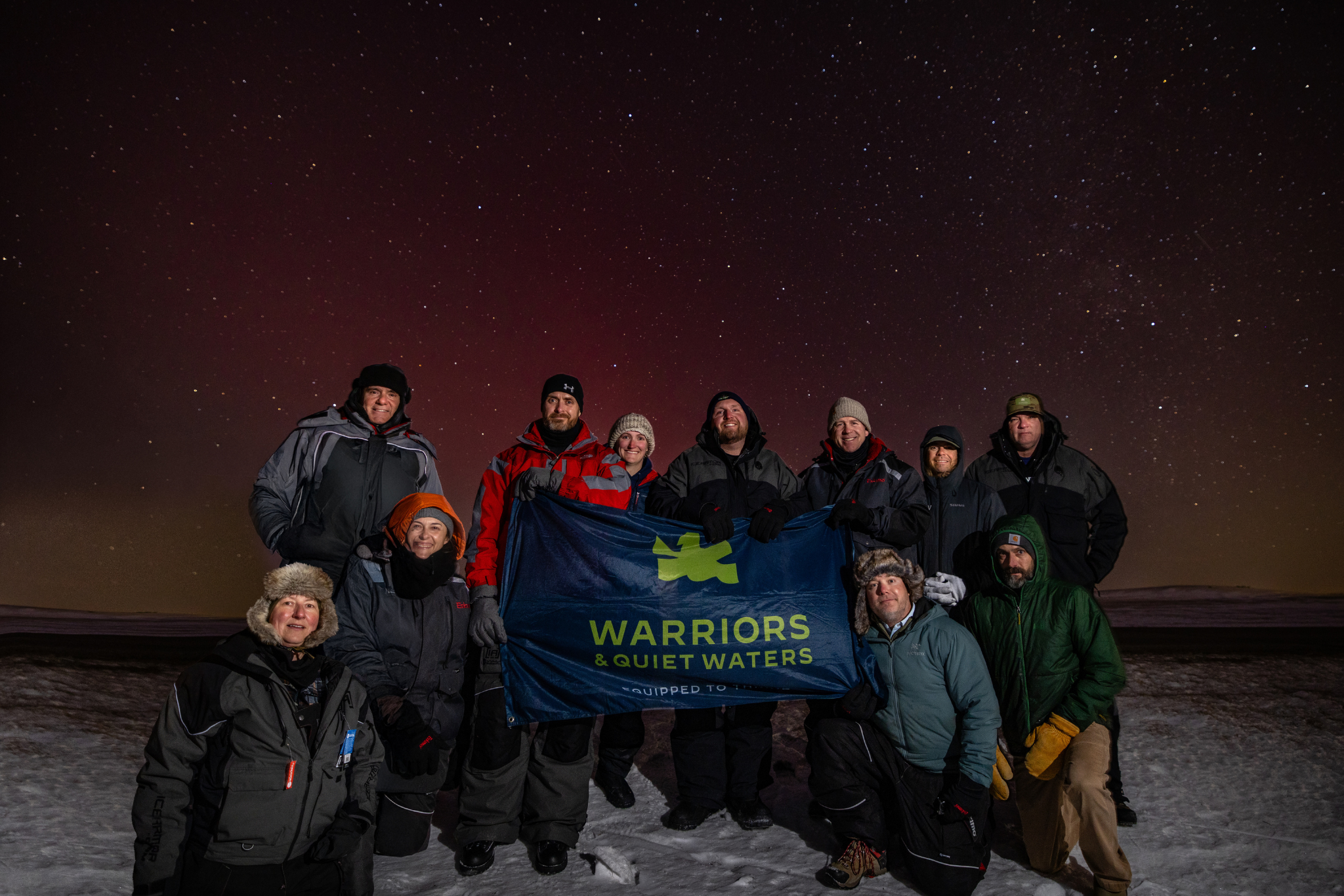
The Capstone Experience brings cohorts back together in nature for another five days—this time to celebrate the journey and commit to their full potential. By this point, veterans have changed in measurable ways. They've identified their meaningful purpose. They've cemented habits that support their health in mind, body, and spirit. They've built a second family within their cohort.
But the journey doesn't end there. Our Alumni Engagement Program maintains connection with program graduates—an active network of peer mentors and leaders who support each other and welcome new veterans into the community. As we say: transformation takes time, and that's why we never say goodbye.
What Donors Should Look For
If you want your donation to help veterans thrive—not just survive—here's what to look for in the organizations you support:
Duration Over Dazzle
Adrenaline-filled one-time experiences make for great photos and compelling testimonials in the moment. But lasting change requires sustained engagement. Ask how long the program lasts and what happens after the initial experience ends. If there's no structured follow-up, the impact is likely to fade.
Growth Metrics, Not Just Crisis Metrics
Many organizations can tell you how many veterans they served or how many completed their program. Fewer can tell you whether those veterans are actually thriving months or years later. Look for organizations that measure outcomes like sense of purpose, resilience, quality of relationships, and overall well-being—not just participation or crisis prevention.
Third-Party Verification
Self-reported outcomes are better than nothing, but they're also subject to bias. Organizations that submit to independent evaluation—like Warriors & Quiet Waters' partnership with Syracuse University—demonstrate both confidence in their work and commitment to honest assessment.
Strength-Based Philosophy
Pay attention to how an organization talks about the veterans it serves. Do they emphasize brokenness or capacity? Victimhood or potential? The language reflects the underlying philosophy—and that philosophy shapes the veteran experience.
Organizations that help veterans thrive treat them as capable adults with agency. They challenge veterans to grow rather than coddling them. They believe that adversity can become the foundation for strength—and they design their programs accordingly.
Warriors & Quiet Waters was built on these principles. Our Built for More program provides the sustained, evidence-based support that research shows veterans need to truly thrive. Learn about our approach or support a veteran's transformation today.
The Ripple Effects of Thriving
When a veteran merely survives, the benefits are individual—one person avoiding crisis. When a veteran thrives, the benefits multiply.
Thriving veterans show up differently in their families. They're more present, more patient, more able to nurture healthy relationships. Their children grow up seeing what it looks like to face adversity and emerge stronger—a model that shapes generations.
Thriving veterans contribute differently to their communities. They become leaders, mentors, volunteers. They take the skills forged in military service and apply them to civilian challenges. They prove that those who've served in uniform have immense value to offer in peacetime.
Thriving veterans inspire other veterans. They demonstrate what's possible—that the transition from military to civilian life doesn't have to be a story of loss, but can become a story of growth. They become peer mentors, guides for those following behind them.
In short, helping one veteran thrive creates ripples that extend far beyond that individual. The return on investment isn't linear—it's exponential.
Raising the Bar
Our veterans volunteered to serve. They raised their hands when their country called. They put themselves in harm's way so others wouldn't have to.
They deserve more than programs designed to prevent the worst. They deserve support designed to unlock their best.
This isn't about abandoning crisis intervention—that work remains essential. It's about recognizing that crisis prevention is the floor, not the ceiling. It's about raising the bar for what "success" looks like in veteran support.
A veteran who doesn't die by suicide is a victory. A veteran who becomes a thriving leader in their family and community is a triumph.
At Warriors & Quiet Waters, we're not in the business of creating good weeks. We're in the business of building good lives. Lives defined by purpose, anchored by community, and characterized by the genuine flourishing that every veteran has the capacity to achieve.
That's what it means to help a veteran heal. Not just surviving. Thriving.
Because our veterans were built for more.