
The Science Behind Fly Fishing Therapy for Combat Veterans
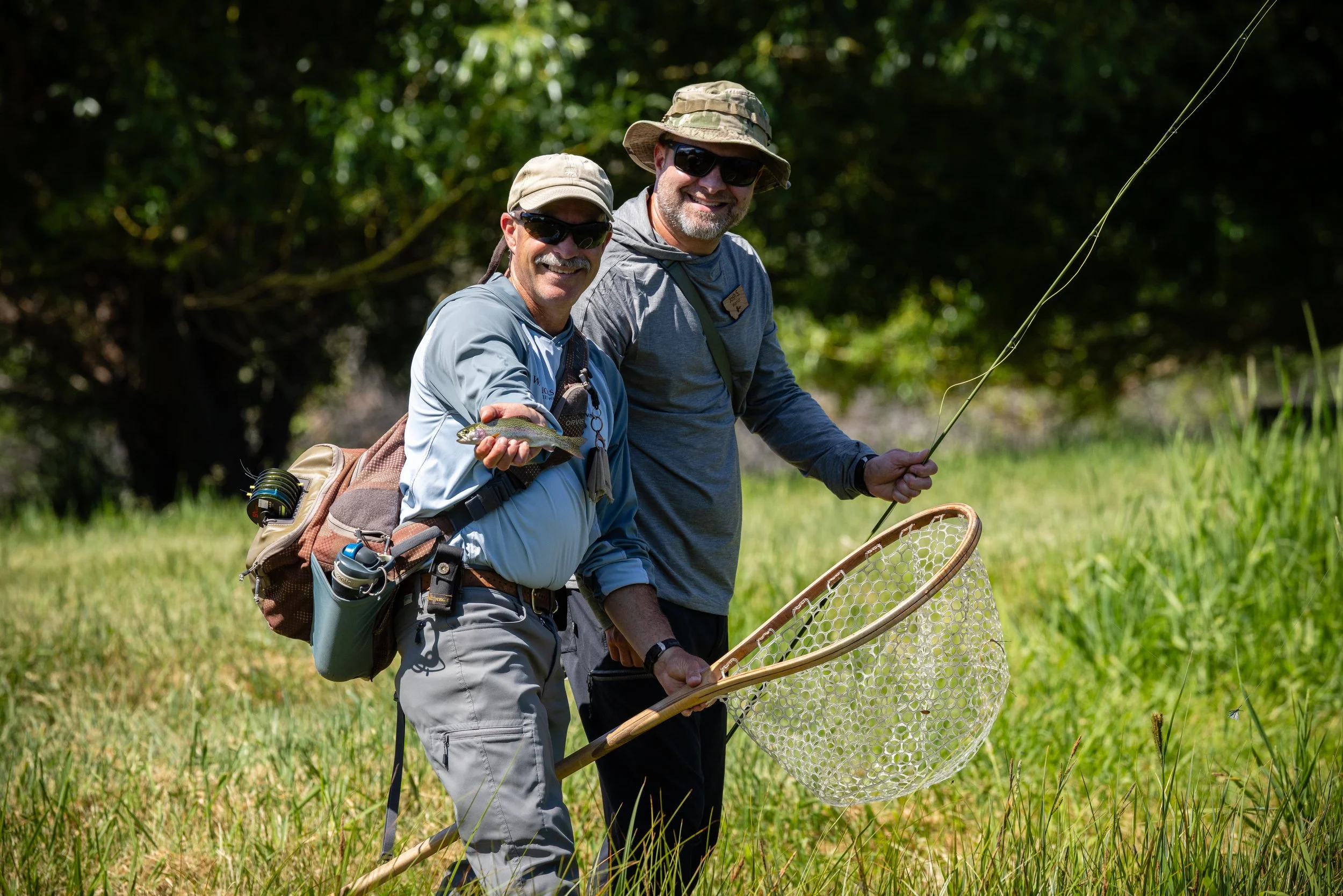
There's a moment fly fishers know well. You're standing knee-deep in a Montana river, the morning mist lifting off the water. Your mind, which had been racing through a thousand worries, suddenly goes quiet. The only thing that exists is the rhythm of your cast, the movement of the water, and the possibility of what lies beneath the surface.
For most people, this is a pleasant escape. For combat veterans, it can be transformative.
At Warriors & Quiet Waters, we've witnessed this transformation in over 1,000 post-9/11 combat veterans since 2007. But we're not content with anecdote alone. Our programs are third-party verified by Syracuse University's D'Aniello Institute for Veterans and Military Families, and the results are remarkable: veterans who complete our Built for More program experience a 4x increase in sense of purpose and 2x improvement in overall thriving.
What makes fly fishing such a powerful tool for veteran wellness? The answer lies in a growing body of neuroscience, psychology, and environmental research that's finally catching up to what veterans have been telling us for years: there's something about the water that heals.
The Blue Mind Effect: Why Water Calms the Brain
Marine biologist Dr. Wallace J. Nichols spent years researching a phenomenon he called "Blue Mind" — a mildly meditative state characterized by calm, peace, and a sense of general happiness that occurs when we're near, in, on, or under water.
Using EEG and fMRI technology, Nichols and other neuroscientists discovered that proximity to water triggers measurable changes in the brain. Cortisol (the stress hormone) decreases while serotonin, dopamine, and oxytocin — the "feel-good" neurochemicals — increase. The prefrontal cortex, responsible for processing fear and anxiety, becomes less active.
Why does water have this effect? Nichols theorized that our brains evolved to associate water with survival. For our ancestors, finding water meant safety, sustenance, and life itself. Over millennia, this association became hardwired into our neural circuitry.
Water creates what scientists call "soft fascination":
• It holds our attention gently, without demanding focus
• It provides novelty (constant movement) within a consistent pattern
• It allows the brain's default mode network — associated with creativity and self-reflection — to activate
• It interrupts the rumination and hypervigilance common in post-traumatic stress (PTS)
For combat veterans whose nervous systems have been rewired by chronic stress and trauma, this neurological reset is profound. The water doesn't just feel calming — it actually changes brain chemistry in real time.
Flow State: The Antidote to Hypervigilance
Fly fishing demands a particular kind of attention. You're watching the water, reading the current, tracking insect hatches, adjusting your cast, feeling the line. This total absorption in a challenging but achievable activity is what psychologist Mihaly Csikszentmihalyi famously termed "flow state."
Flow state is essentially the opposite of the hypervigilant state many veterans experience with PTS. Instead of scanning for threats and ruminating on the past, the mind becomes fully engaged with the present moment. Time feels different. Self-consciousness fades. The internal critic goes quiet.
Research published in the American Journal of Recreation Therapy found that veterans participating in long-term fly fishing programs showed statistically significant decreases in PTS symptoms, anxiety, depression, and perceived stress. Qualitative data revealed three consistent themes: emotional and physical healing, companionship, and a renewed sense of purpose.
Fly fishing is particularly effective at inducing flow because it hits the sweet spot between skill and challenge. It's complex enough to fully engage the mind, but learnable enough to provide regular moments of success. And unlike many activities that induce flow, it happens in a natural environment that amplifies the therapeutic benefits.
The Evidence for Nature-Based Veteran Therapy
The VA and Department of Defense have increasingly recognized nature-based interventions as valuable complements to traditional mental health treatment. Research from multiple institutions supports what many veterans intuitively know:
Universities of Utah, Southern Maine, and Salt Lake City found that a short course of fly fishing instruction resulted in a 20% reduction in PTS symptoms among veteran participants.
A study published in the Community Mental Health Journal examined outcomes of a therapeutic fly fishing program for veterans with combat-related disabilities and found significant improvements in mental health markers.
Research from Denmark showed that veterans who participated in 10 weeks of nature-based therapy reported new tools for managing stressful situations and measurable improvements in PTS symptoms.
The National Environmental Education Foundation analyzed multiple studies showing that outdoor experiences help veterans with social reconnection, inner peace, self-acceptance, and post-traumatic growth.
The mechanism appears to be multi-layered: physical activity, skill acquisition, natural environments, and — perhaps most importantly — community.
Beyond the Water: The Healing Power of Community
When veterans leave military service, they lose three things simultaneously: identity (who am I without my uniform?), purpose (what's my mission now?), and belonging (where's my team?). This triple loss explains why even veterans who appear to be thriving externally often feel hollow inside.
Fly fishing programs for veterans address all three losses at once. But the community aspect may be the most powerful.
"One of the most powerful parts of fishing therapy has nothing to do with the outdoors," explains one researcher. "Getting out and interacting with other vets builds a sense of community, a safe space to talk. This is vital for people suffering from social anxiety, which often goes hand in hand with PTS."
At Warriors & Quiet Waters, this community element is intentional. Our Built for More program places veterans in small cohorts who journey together through 6-12 months of programming — including two immersive nature experiences in Montana. These aren't strangers passing through; they're teammates on a shared mission of growth.
Our third-party verified data shows participants experience a 3x increase in sense of community and belonging. That's not just a nice feeling — it's a protective factor against isolation, depression, and suicide.
Your support makes this possible. Every donation helps a combat veteran access the evidence-based programming, Montana nature experiences, and lifelong community that research shows actually works. Support a Warrior's journey today.
Why Montana? The Landscape of Healing
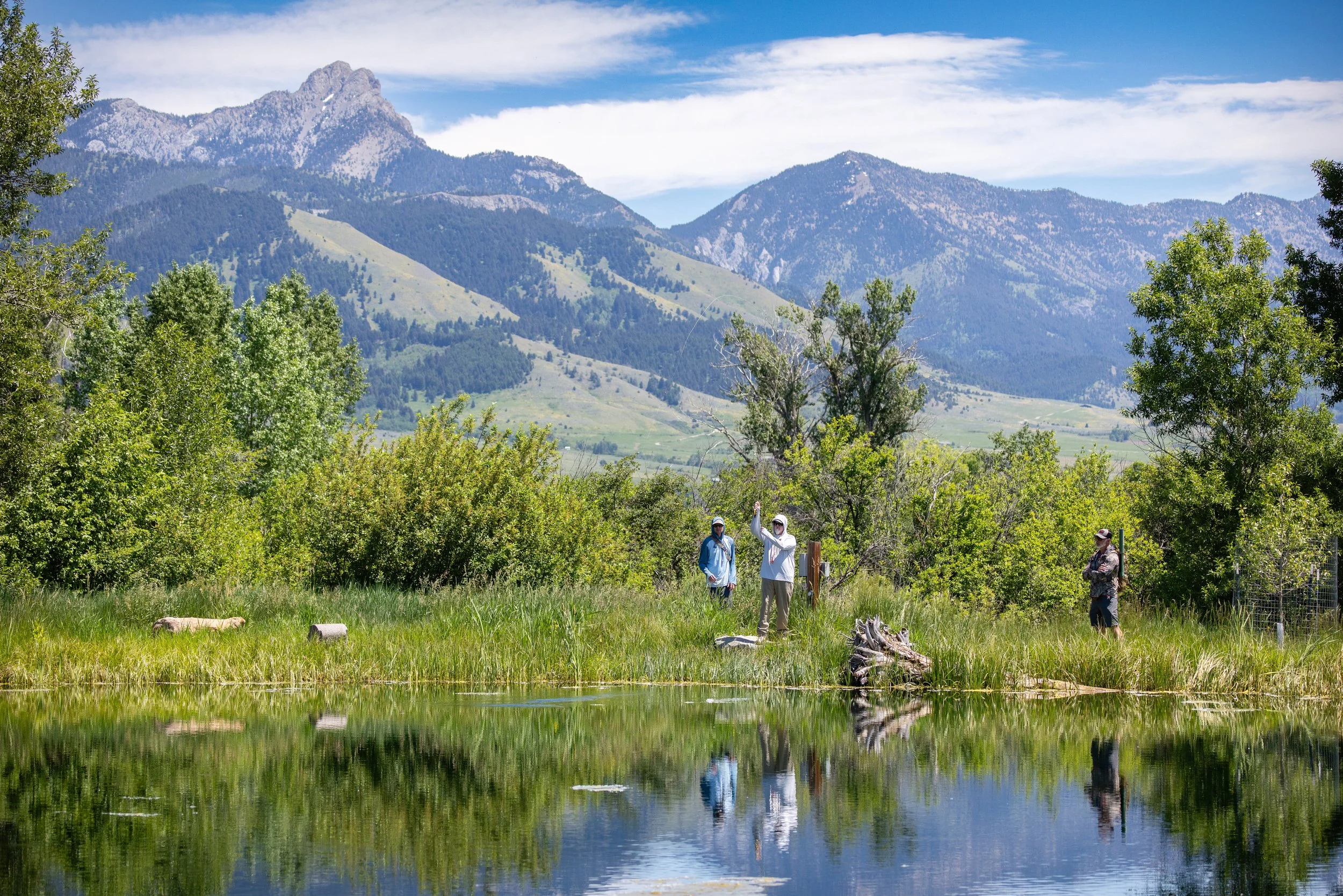
Not all natural environments are created equal. Research suggests that certain landscape features — mountains, moving water, expansive views — are particularly effective at triggering the restorative response.
Montana's rivers offer an ideal therapeutic environment: world-class trout waters surrounded by mountain ranges, far from the noise and stimulation of urban life. The scale of the landscape provides perspective. The quality of the fishery ensures engagement. The remoteness creates a container for deep work.
Our co-founder, Marine Colonel Eric Hastings (Ret.), understood this instinctively. After 34 years of military service including combat in Vietnam, he found restoration in Montana's quiet waters each year. In 2007, he and his wife Jean decided to share that healing with post-9/11 combat veterans.
What began as a week-long fly-fishing retreat has evolved into Built for More — a comprehensive, evidence-based program that combines peak nature experiences with guided personal growth. The Montana landscape remains central to the experience, but it's now part of a larger framework designed to create lasting change.
Beyond the Fishing Trip: Creating Lasting Change
One criticism of nature-based therapy programs is that benefits can be short-lived. The veteran has a powerful experience, returns home, and gradually slides back into old patterns. The researchers call this the "vacation effect."
Warriors & Quiet Waters designed Built for More specifically to address this challenge. The program isn't a fishing trip — it's a 6-12 month journey that includes:
• Initial Experience: Five days of immersive nature programming in Montana, learning fly fishing alongside a cohort of fellow veterans
• Discovery Phase: Monthly online sessions with trained facilitators and subject matter experts, working through evidence-based curriculum on values, identity, and purpose
• Capstone Experience: Return to Montana with your cohort to celebrate growth and solidify the changes you've made
• Alumni Engagement Program: Ongoing connection with over 1,000 program graduates who continue supporting each other
This structure transforms a powerful experience into a sustained practice. Veterans don't just feel better during the trip — they build the tools and community to keep thriving long after.
The Data Speaks: Third-Party Verified Results
We believe in our work, but we don't ask you to take our word for it. Syracuse University's D'Aniello Institute for Veterans and Military Families independently measures our program outcomes, tracking metrics like sleep quality, well-being, sense of purpose, and relationships from pre-program through graduation.
The results:
• 4x increase in sense of purpose
• 2x increase in overall sense of thriving
• 4x increase in stress resilience
• 3x increase in sense of community and belonging
These aren't self-reported feelings. They're validated measurements using established psychological assessment tools, collected by an independent institution with no stake in the outcome.
We continue partnering with researchers to refine our understanding of what works and why. The science of nature-based veteran therapy is still emerging, and we're committed to contributing to that knowledge base — not just for our programs, but for the field as a whole.
What This Means for Donors
If you're considering supporting veteran wellness programs, here's what the science tells us about what actually works:
Look for evidence-based programming. Good intentions aren't enough. Effective programs ground their approach in research and measure their outcomes independently.
Duration matters. One-time experiences can provide temporary relief, but lasting change requires sustained engagement. Look for programs that work with veterans over months, not days.
Community is critical. The most effective programs build lasting connections between veterans. Isolation is a risk factor; belonging is protective.
Nature is a force multiplier. The research is clear that natural environments — especially those involving water — amplify therapeutic outcomes in ways that indoor settings cannot replicate.
Warriors & Quiet Waters was built on these principles before the research fully caught up. Now, with third-party verification and a growing body of evidence supporting nature-based veteran therapy, donors can give with confidence that their investment creates measurable, lasting impact.
The Quiet Revolution
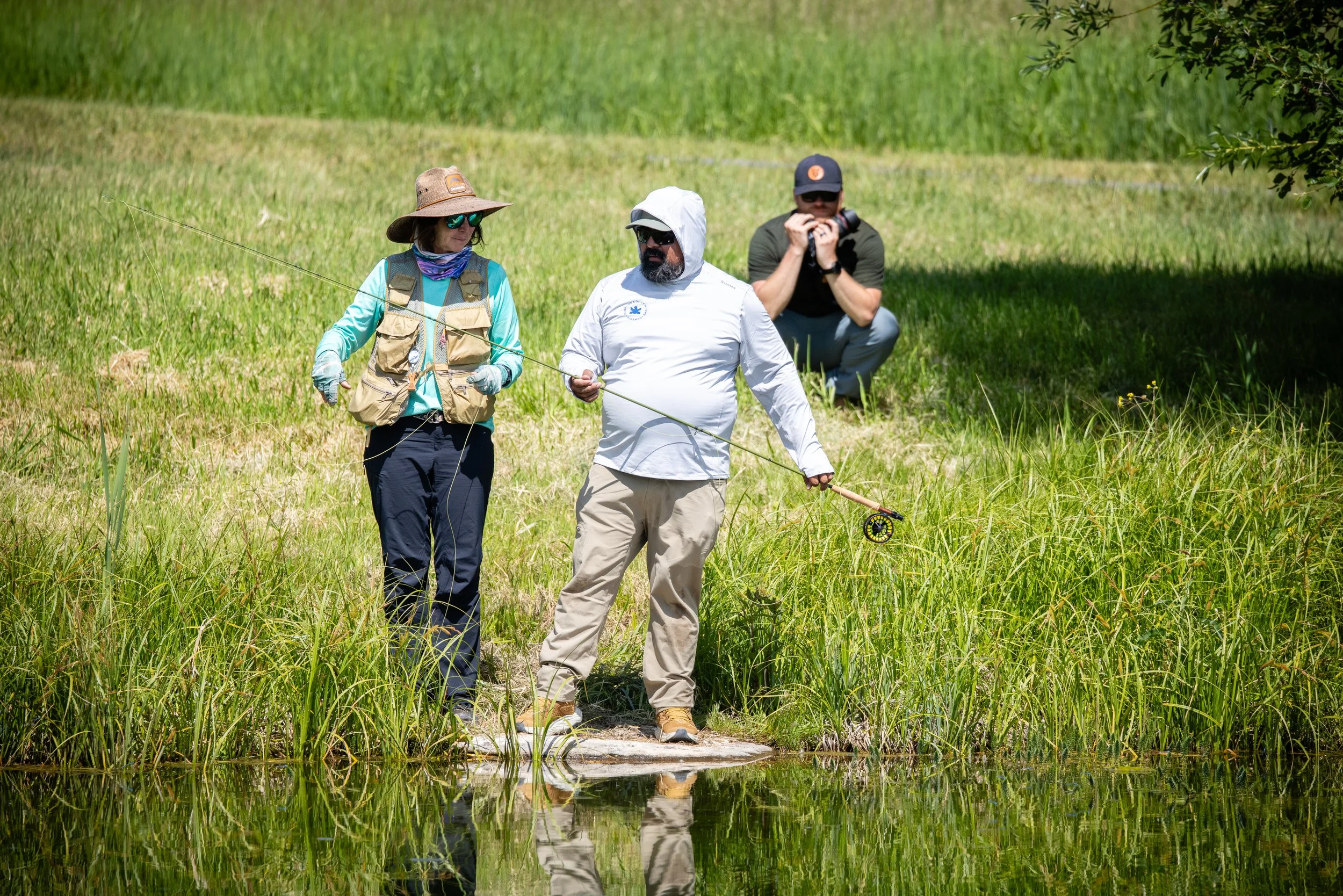
There's a quiet revolution happening in veteran mental health. Alongside traditional clinical treatments, nature-based approaches are gaining recognition as powerful tools for healing — not as replacements for therapy, but as complements that address dimensions of wellness that talk therapy alone cannot reach.
Fly fishing, it turns out, isn't just a pleasant hobby. It's a neurological intervention that triggers measurable changes in brain chemistry. It's a flow-state practice that interrupts the hypervigilance of PTS. It's a gateway to community and belonging. And in the right setting — with the right program structure — it can be a catalyst for profound personal transformation.
Our veterans served all of us. They deserve more than gratitude. They deserve evidence-based support that actually works.
That's why we exist. That's what your support makes possible.
Ready to support the science of veteran healing? Your donation funds the evidence-based Built for More program, third-party outcome verification, and the Montana experiences that research shows create lasting change. Give today and help a combat veteran thrive.
Learn more about our Built for More program or view our verified impact data.
At Warriors & Quiet Waters, we've learned that healing doesn't always happen in an office. Sometimes it happens knee-deep in a Montana river, surrounded by fellow veterans, learning to read the water and trust the process. The science now confirms what our Warriors have known all along: there's something about the quiet waters that helps you find your way back to yourself.