
HOLISTIC WELLNESS BECOMES INTEGRAL TO BUILT FOR MORE
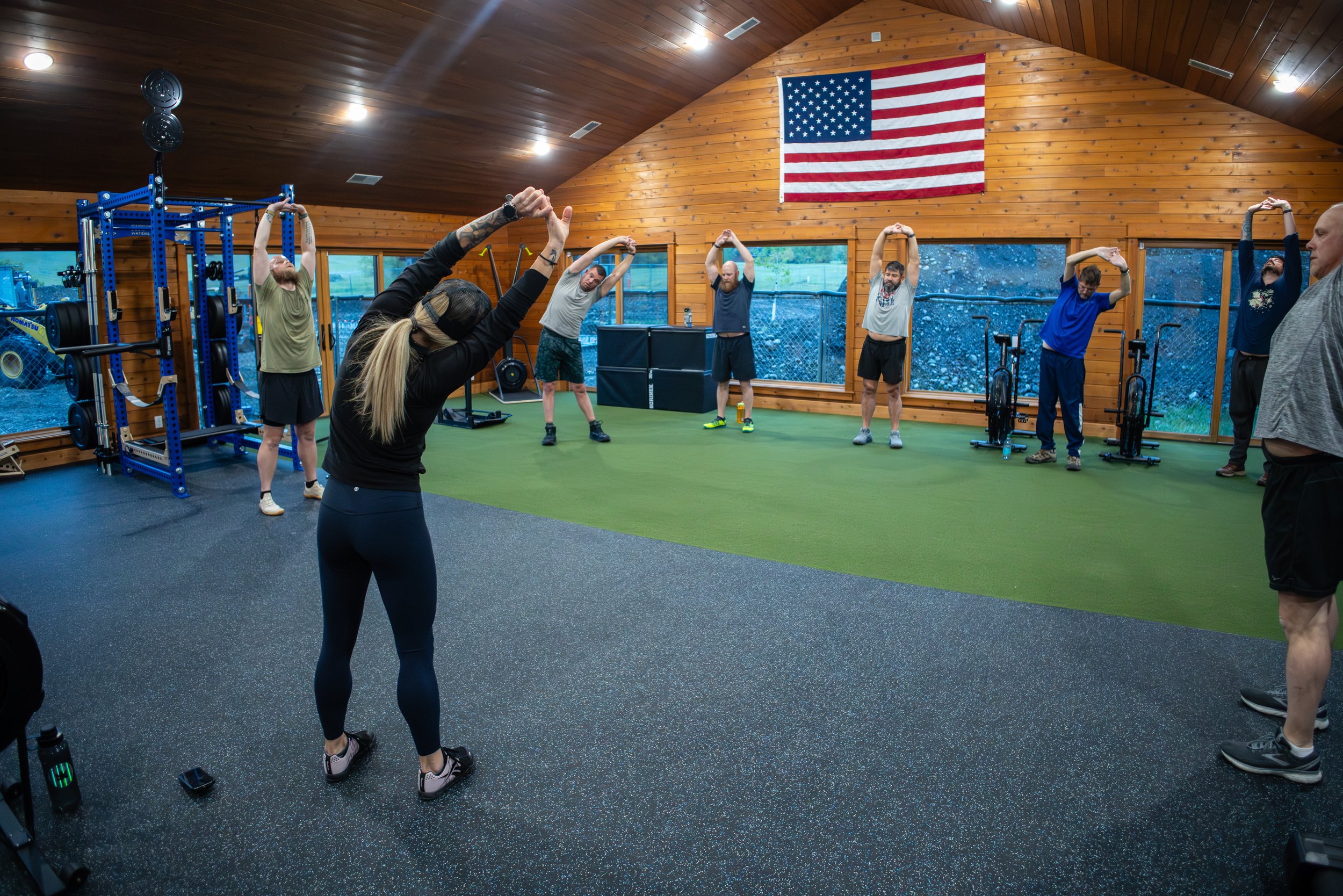
Holistic wellness is the foundation of everything we do as humans. Without healthy habits in mind, body, and spirit, none of us can really take on the harder work of life: building strong relationships, understanding and making the most of our potential, and growing into resilient, thriving members of our communities. That belief has always shaped Built for More. In 2026, we're acting on it more fully than ever by putting holistic wellness - physical, mental, and spiritual - at the center of the program.
This isn't a cosmetic update. It's a deliberate change, and it's driven by what the research is telling us about the warriors we serve.
What the Data Demands
A close look at the VA's research on veteran suicide reveals something we can't afford to look past. Physical health factors actually show up more often than mental health symptoms. Pain is present in 52.3% of veteran suicide deaths. Sleep problems show up in 51.5%. Declining physical ability appears in 43.1%, and increased health problems in 34.8%.
Read those numbers again. Pain and physical health decline are present in more than half of veteran suicides. These aren't just quality-of-life concerns to manage on the side. They're critical suicide risk factors. That reframing changes our responsibility. If the body is where so much of the risk lives, then caring for the body isn't a wellness perk. It's life-saving work. This is why our program had to evolve.
What Holistic Wellness Actually Means
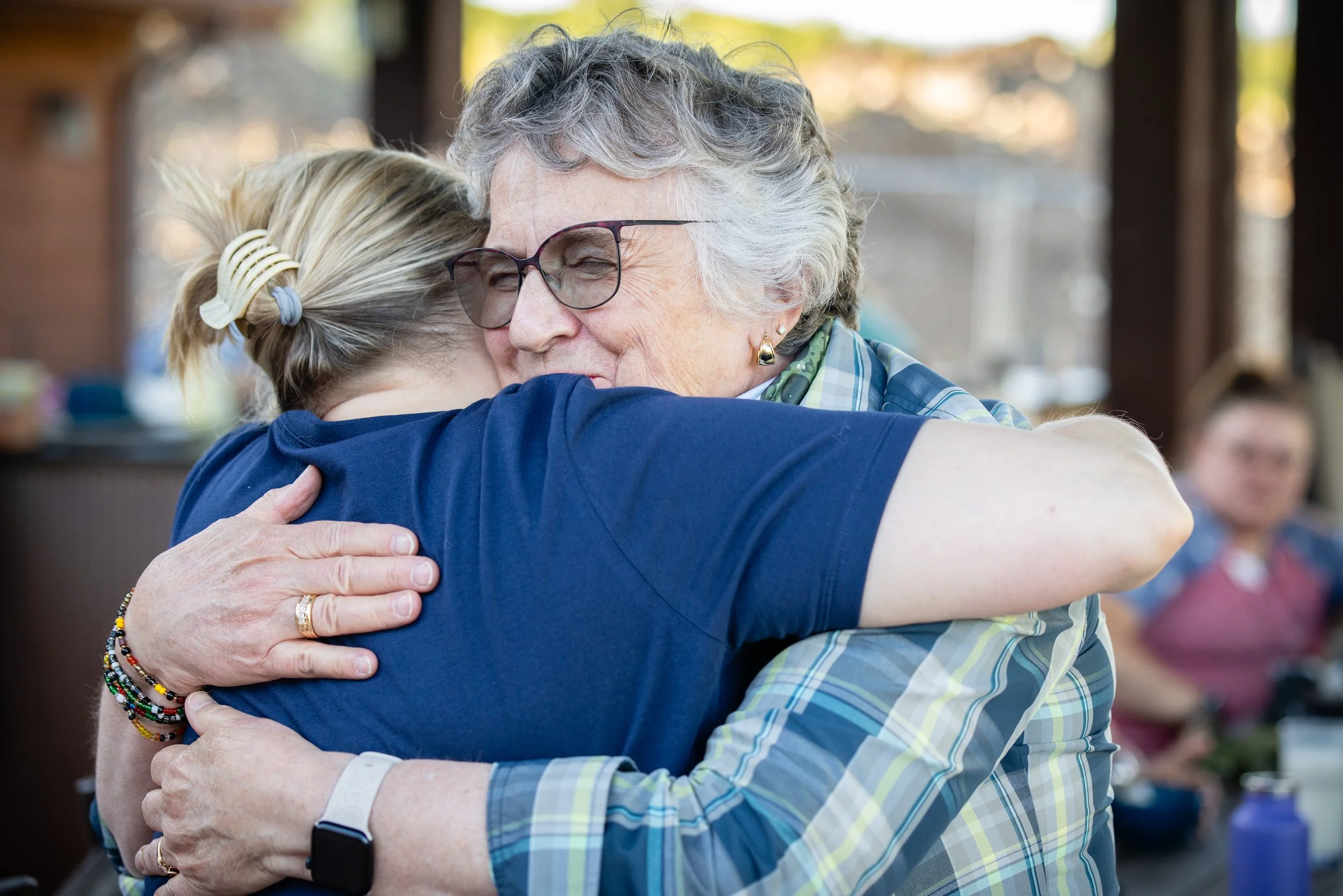
Holistic wellness brings together three connected dimensions. Each one supports the others, and strength in all three is what builds real resilience.
1. Physical wellness is about caring for your body now and for the future. It covers nutrition, exercise, mindfulness, and sleep hygiene. These are all areas anyone can improve through goal setting and a little focused effort. Eating the colors of the rainbow delivers the phytonutrients that help protect against chronic illness. Pairing fat, fiber, and protein at every meal steadies blood sugar and keeps you fuller longer. The most important part of any exercise program is simply choosing something you can stick with. A mindfulness practice supports mind-body connection and bridges the gap between everyday stress and overall well-being. And practicing good sleep hygiene improves mood and supports healing. All of this is supported through a mindfulness practice
2. Mental wellness covers cognitive, emotional, and interpersonal health. Challenging yourself to learn new things keeps the mind sharp, and physical activity itself improves problem solving, concentration, and memory. On the emotional side, the work starts with naming what you feel, telling the difference between anger and betrayal, loneliness, or guilt, because identifying an emotion is the first step toward understanding it and moving through it. And our relationships matter. Building a genuine support system, with quality over quantity, is central to staying well.
3. Spiritual wellness is about what gives life meaning and purpose. It's built on a guiding personal philosophy and rests on three elements: personal faith, foundational values, and moral living. Spiritual fitness is highly individual. It can be expressed through religion, or through volunteering, gratitude, serving others, and deep connection with the people around us. As Chaplain Lt. Cmdr. Paul Rodgers put it, spiritual fitness encompasses the things we believe and do that connect us to hope, meaning, and purpose.
When all three dimensions are addressed together, resilience grows, and a more resilient person is better equipped to handle whatever life brings.
How Built for More Delivers It, and What Changes Follow
Built for More addresses these factors through Holistic Wellness: physical wellness coaching, spiritual fitness practices, and nature-based outdoor activities. And the changes Warriors experience are measurable.
Warriors in the program double their reporting of good sleep quality. They increase their fruit and vegetable consumption 2.75-fold and become ten times more likely to limit sugar intake. These shifts aren't abstract. They directly affect inflammation, energy, sleep, and physical capability, the very factors the VA data flags as so consequential.
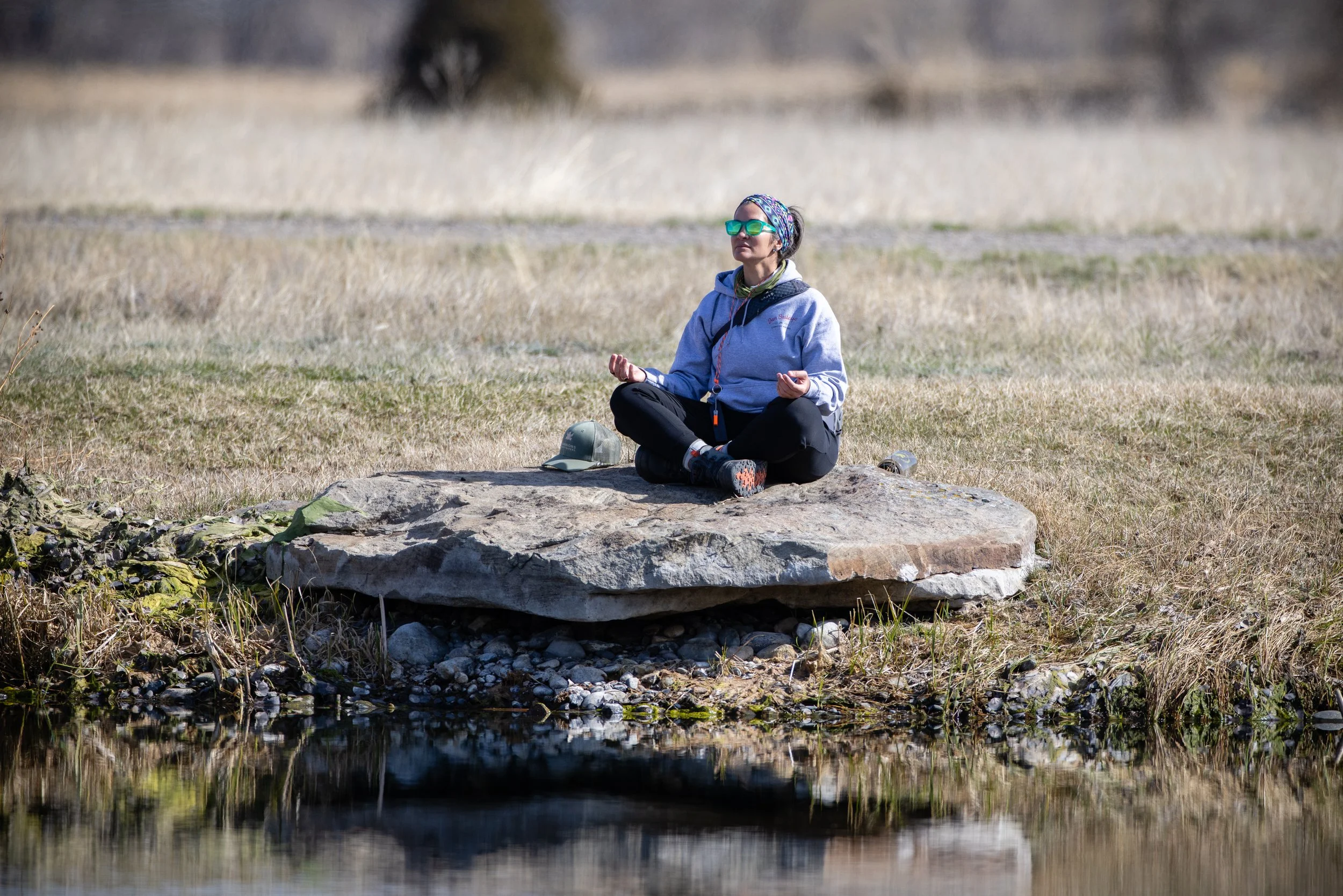
The outdoor piece matters just as much. The research here is clear. When people take part in structured outdoor programs that involve physical movement in nature, their pain levels go down. Across multiple controlled studies, participants reported meaningful reductions in chronic pain, often without additional medication. A major review of more than sixty studies confirmed that nature-based experiences reduce self-reported pain in measurable, clinically meaningful ways.
Movement helps. Nature helps regulate stress and calm the nervous system. Put them together and you get a powerful environment for healing. That's not theory, it's the conclusion of rigorous scientific research. When veterans build sustainable habits around movement and nutrition, two of the most strongly supported tools for reducing pain and improving physical function, their bodies stabilize. And when the body stabilizes, the mind becomes more resilient.
The Bigger Picture
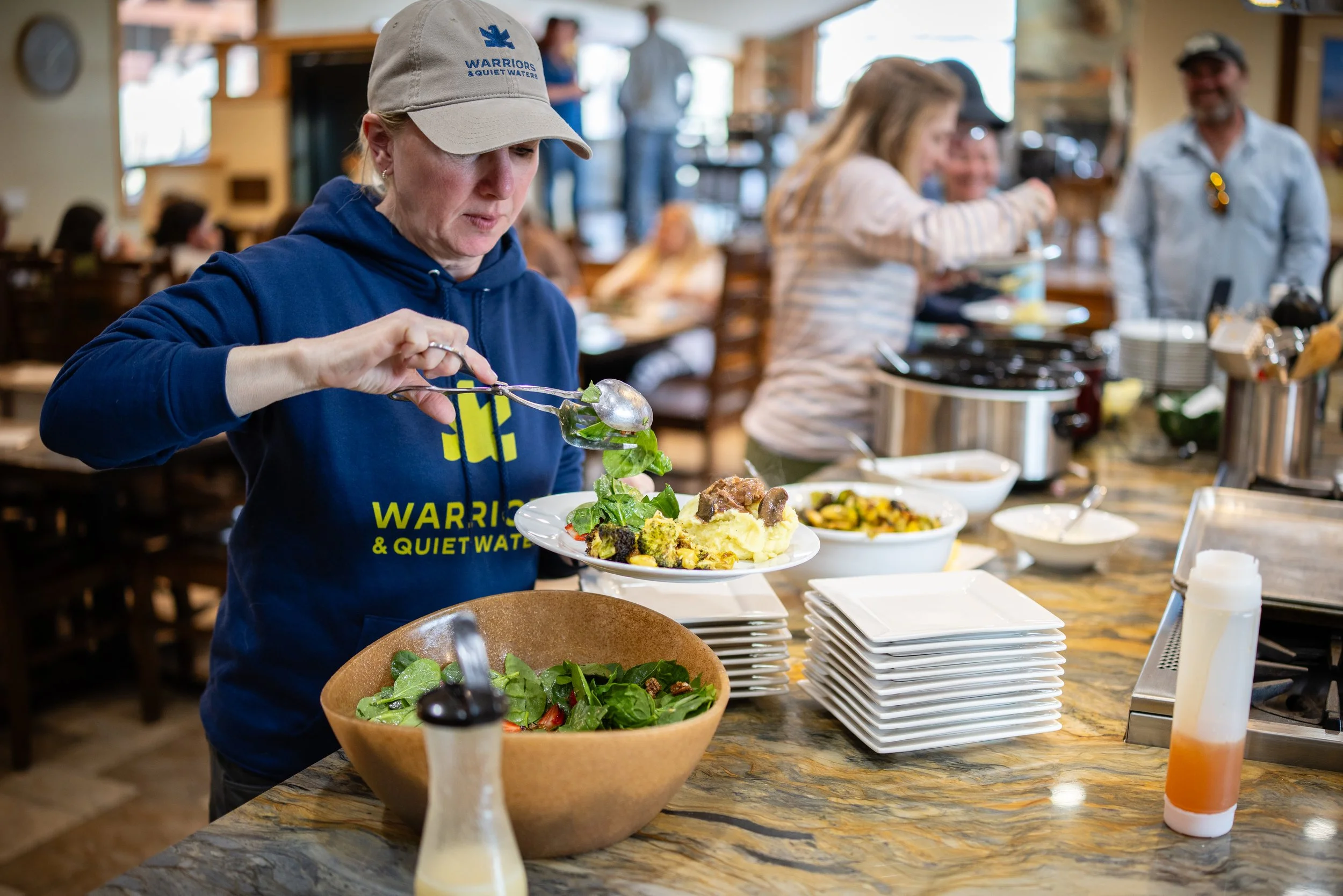
Holistic wellness isn't one more box to check. It's the ground everything else stands on. Building sustainable habits across physical, mental, and spiritual health is what makes it possible to take on the harder challenges in a Warrior's life. Physical wellness readies the body to support the other two dimensions. Mental wellness builds the capacity to manage emotions and keep relationships strong. Spiritual wellness anchors us to the values, beliefs, and purpose that carry us through.
When all three are addressed together, resilience rises, and with it the ability to not just get through life, but to thrive in it. That's what Built for More has always promised. In 2026, by putting holistic wellness at its center, we're delivering a program equal to that promise.
If you or a veteran you know is struggling, support is available any time. Call or text the Veterans Crisis Line at 988 and press 1, or text 838255.
Want to Learn More?
Karen Mitchell, Integrative Nutrition Health Coach, joined the WQW Podcast to discuss Physical Wellness in Episode 3.
Chaplain Lt. Cmdr. Paul Rodgers, U.S. Navy, joined the WQW Podcast to discuss Spiritual Wellness in Episode 4.
Katie Megahee, DPT, NBC-HWC, Cohort Manager and Built for More Alumna, joined the WQW Podcast to discuss Holistic Wellness in Episode 5.
Sources: Holistic Wellness Study Guide (WQW); U.S. Department of Veterans Affairs 2025 National Suicide Prevention Annual Report; McManus, Phytonutrients: Paint Your Plate with the Colors of the Rainbow (Harvard Health, 2019); Stoewen, Dimensions of Wellness (Can Vet J, 2017); Holistic Health and Fitness (FM 7-22, U.S. Army, 2020); Spiritual Fitness Leaders Guide (USMC, 2022); Chairman's Total Force Fitness Framework (CJCSI 3405.01, 2011); Preservation of the Force & Family (USSOCOM).